None of this is a gallery. Every piece was made to do a specific job — make a federal coverage rule usable at the bedside, let a partner hospital put its own name on something, teach a safety standard to someone who has never opened a code book. The system matters as much as the artifact: one illustration library feeds the layouts, the layouts carry blank slots, and the whole thing scales to a network of facilities without a designer in the loop.
Point-of-Decision Tools
Each one takes a rule — a federal coverage criterion, a pressure-vessel standard, a proposed payment model — and makes it actionable at the moment someone has to act on it.
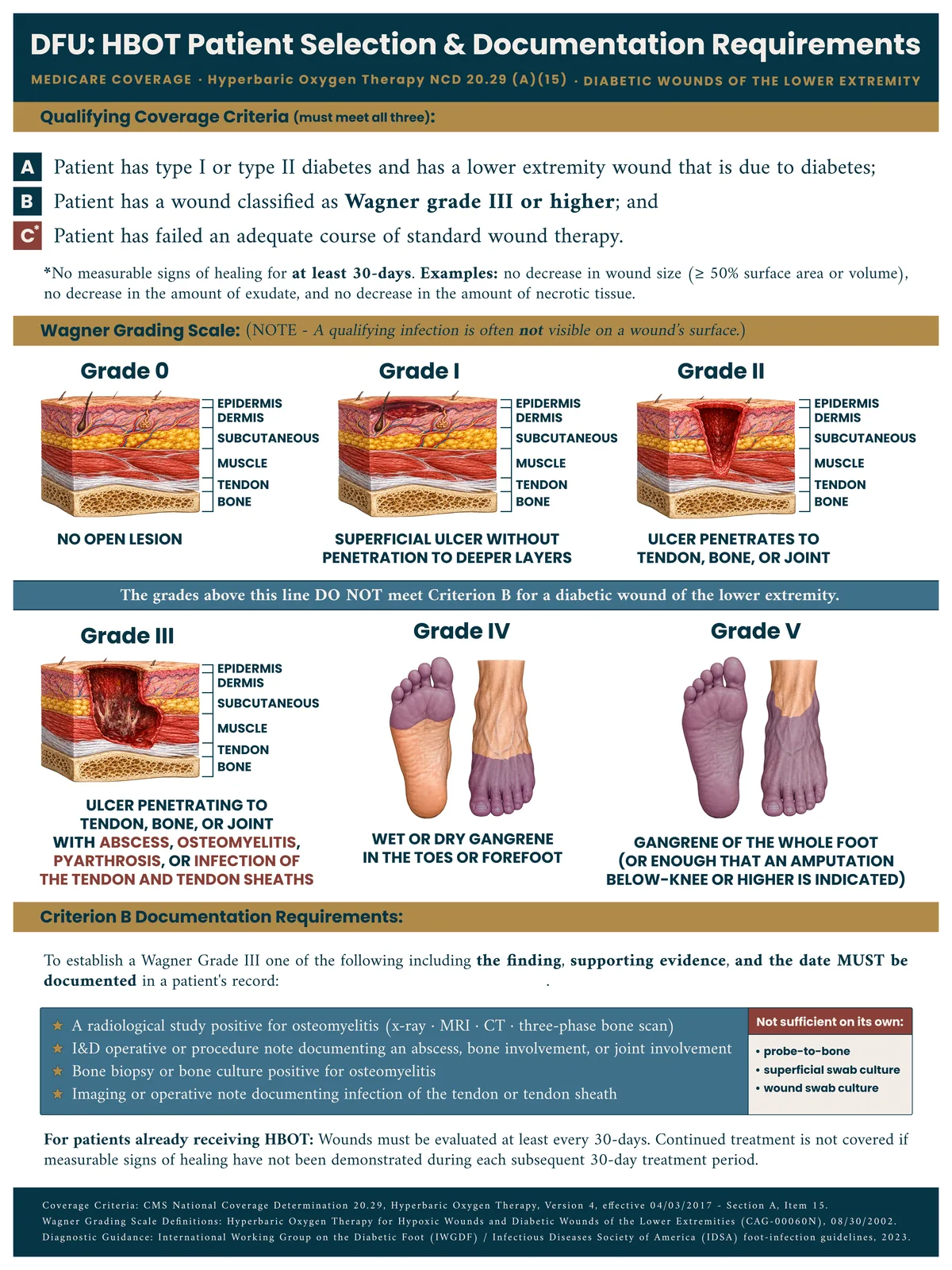
Medicare NCD 20.29 · wall poster · 5400 × 7200Coverage policy rendered as a decision tool. Six Wagner grades drawn in cross-section, the three qualifying criteria stated plainly, and the documentation that establishes Grade III separated from the documentation that doesn’t. One horizontal rule two-thirds down the page does the heaviest lifting: “The grades above this line DO NOT meet Criterion B.” Beside it, flagged in red, the three findings that are not sufficient on their own — the exact line between a paid claim and a denied one.
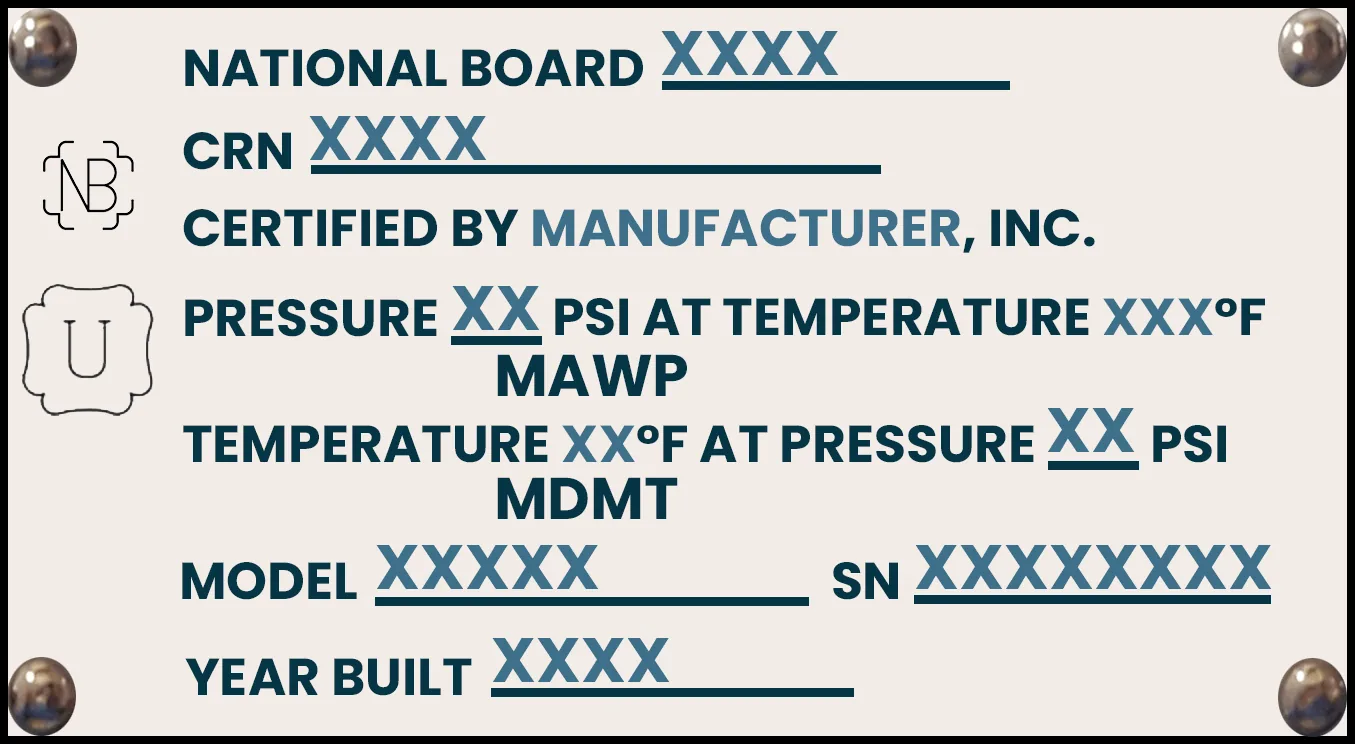
Safety training · fill-in-the-blank referenceAn ASME pressure-vessel nameplate, drawn from scratch so someone can read a real one. National Board and U stamps, MAWP, MDMT, CRN, serial and year — every field blanked and labeled. A chamber’s certification lives on a small steel plate most staff never look at twice; this is the key to it.
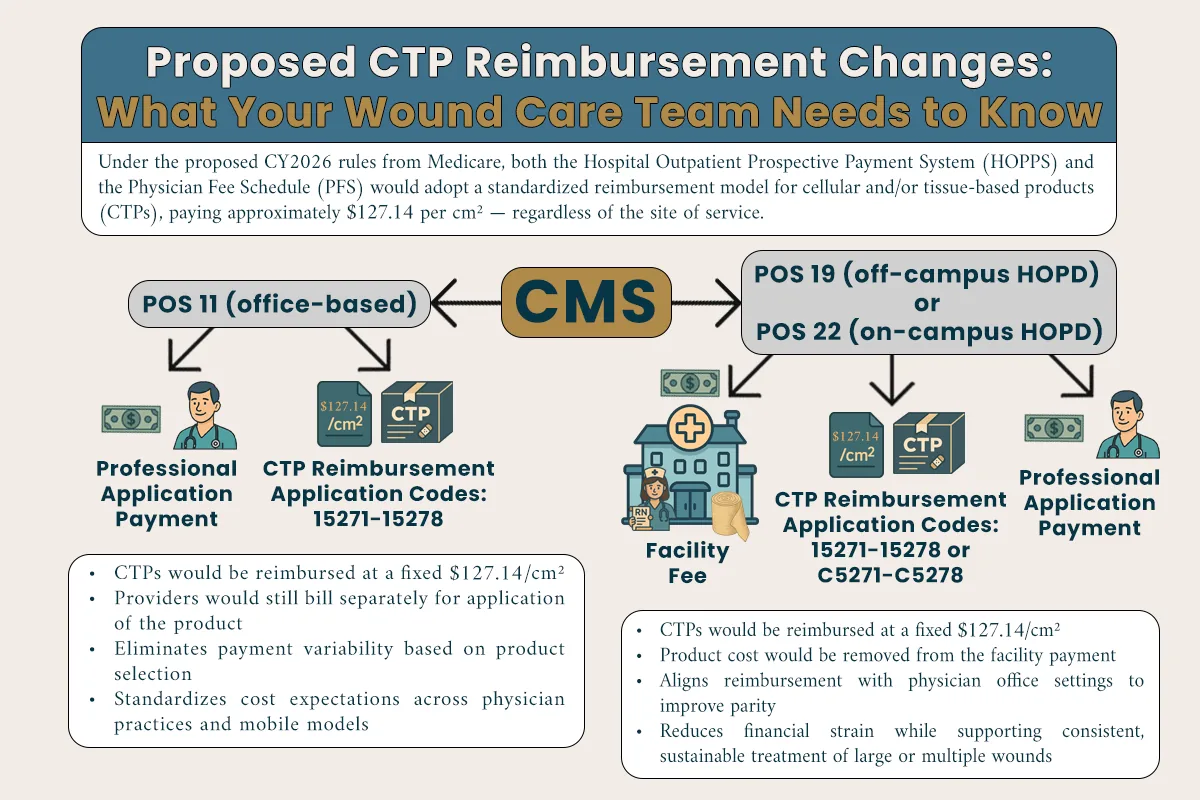
CY2026 CTP payment change · partner briefingA payment rule turned into a picture. CMS at the center, the office-based path on one side and the hospital-outpatient paths on the other, so a program director sees the site-of-service consequence in about thirty seconds instead of working through a rule-making document. Built while the rule was still proposed and kept current since — the rate shown, $127.14 per cm², is the one that actually landed.
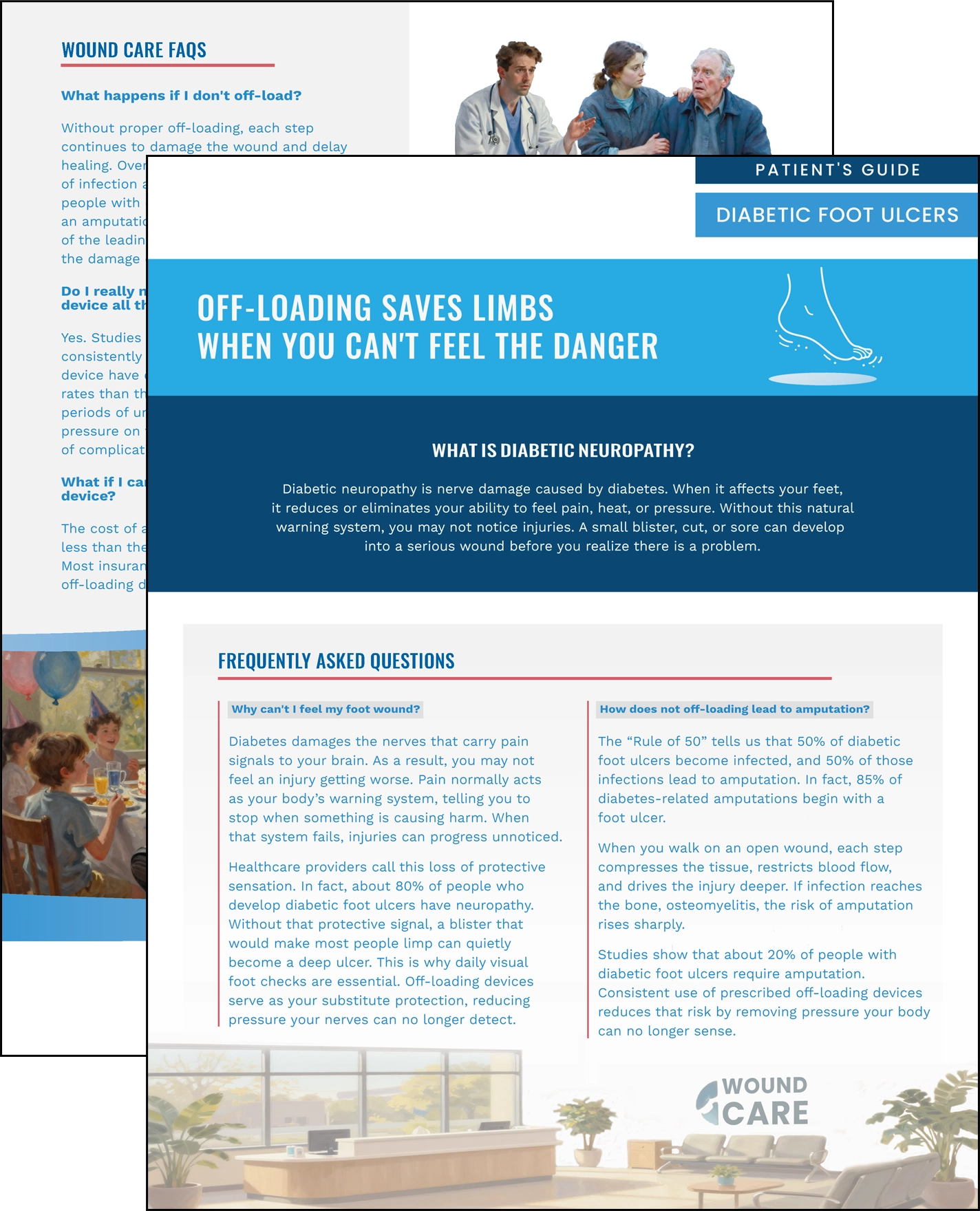
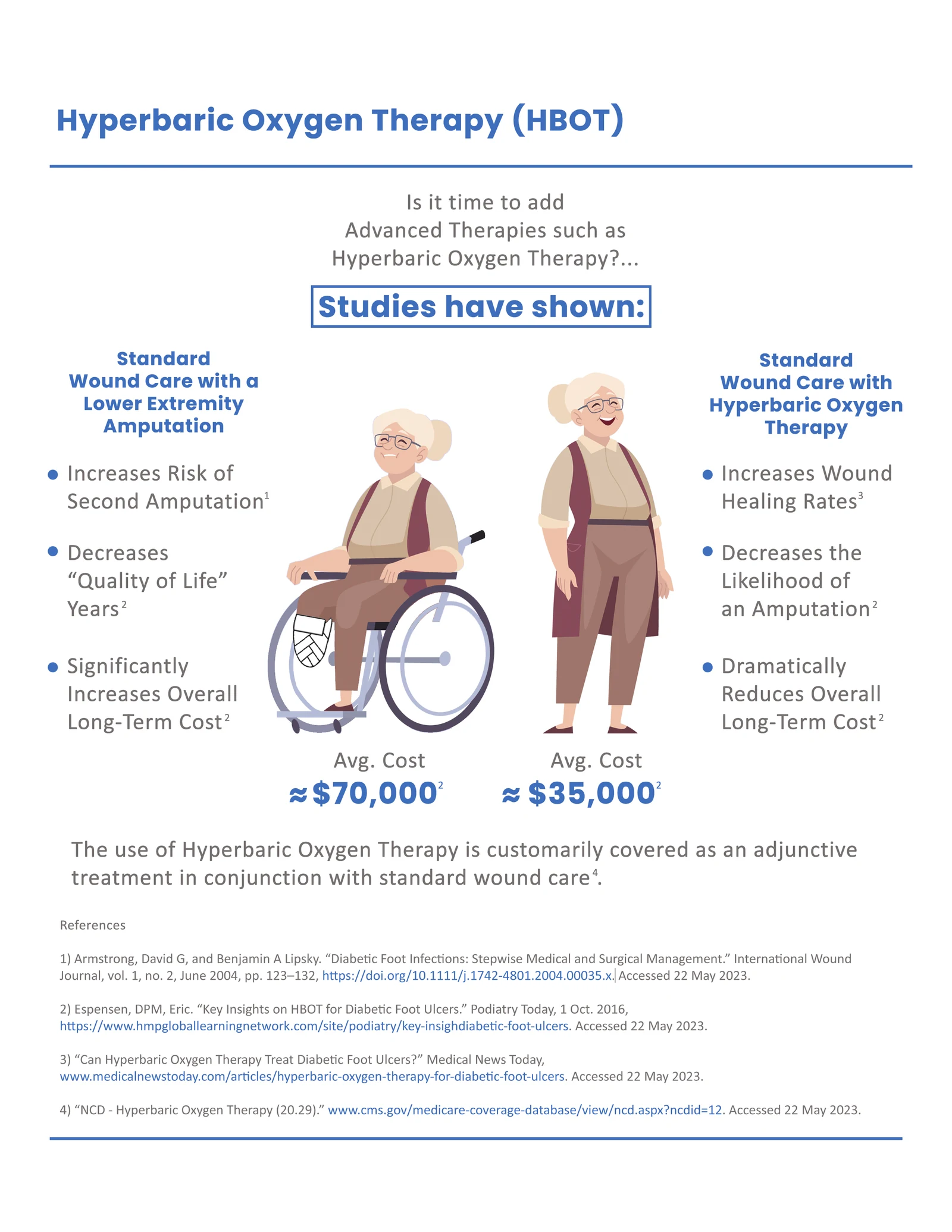
Patient-facing · waiting-room guide · both sidesWritten for the person with the wound, not the person treating it. The Rule of 50, the eighty-five percent, the twenty percent — real numbers, in a two-column Q&A somebody can actually finish while they wait. Both sides are shown: the front makes the case, the back answers the questions it raises. Produced under an earlier visual identity, before the current brand system.Clinical economics · one-page caseThe cost of not treating, set beside the cost of treating. Amputation against adjunctive hyperbaric oxygen — roughly $70,000 against $35,000 — with second-amputation risk, quality-of-life years and healing rate stacked either side of the gap. Four numbered references, because an argument about money in medicine is worth nothing unsourced.
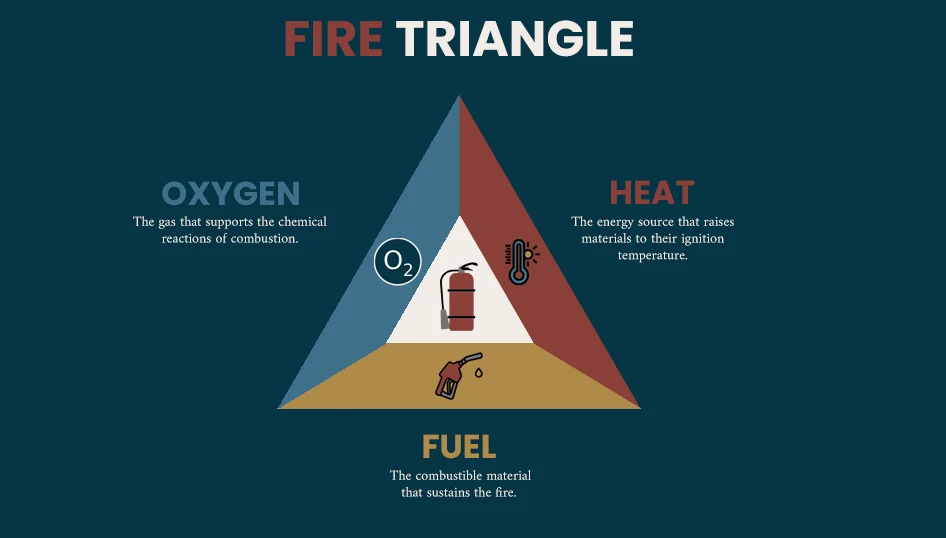
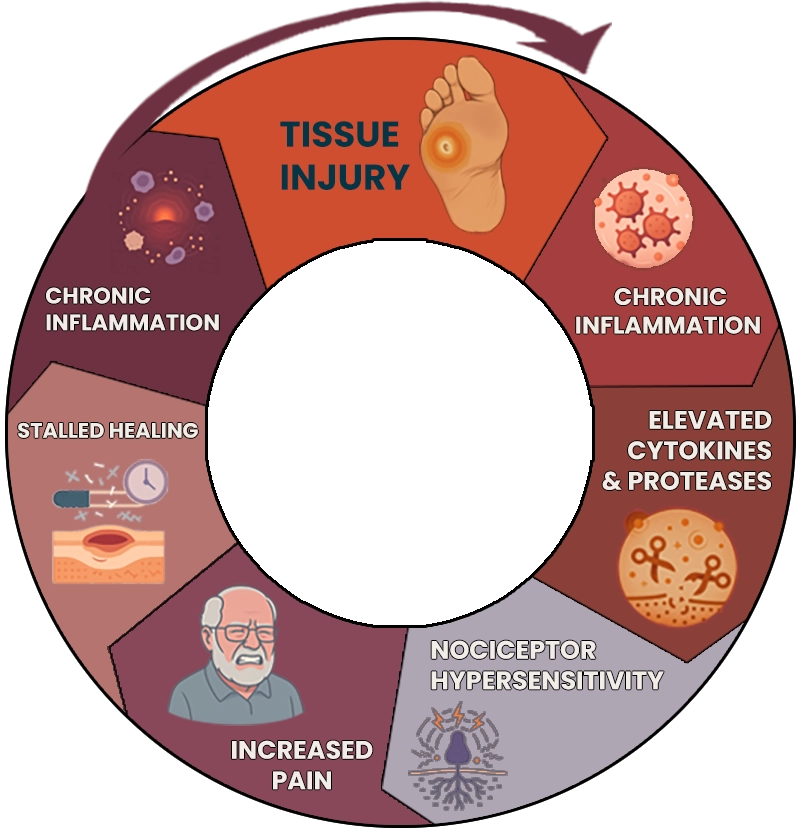
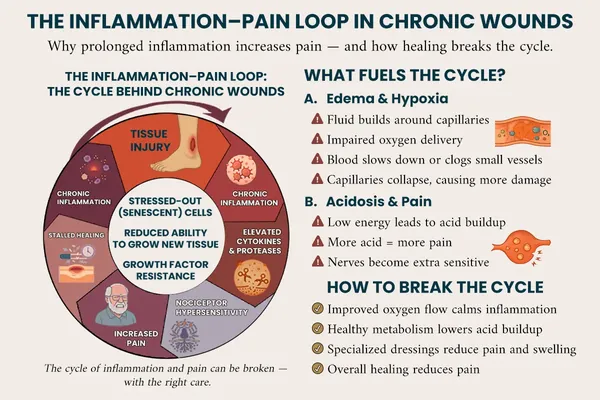
Two mechanisms reduced to a shape — one a triangle because removing any side ends it, one a loop because nothing ends it on its own.
Partner-Enablement Systems
Built to be used under somebody else’s name. The blank spaces are the point — a partner facility earns the reach under its own banner rather than the parent company’s.
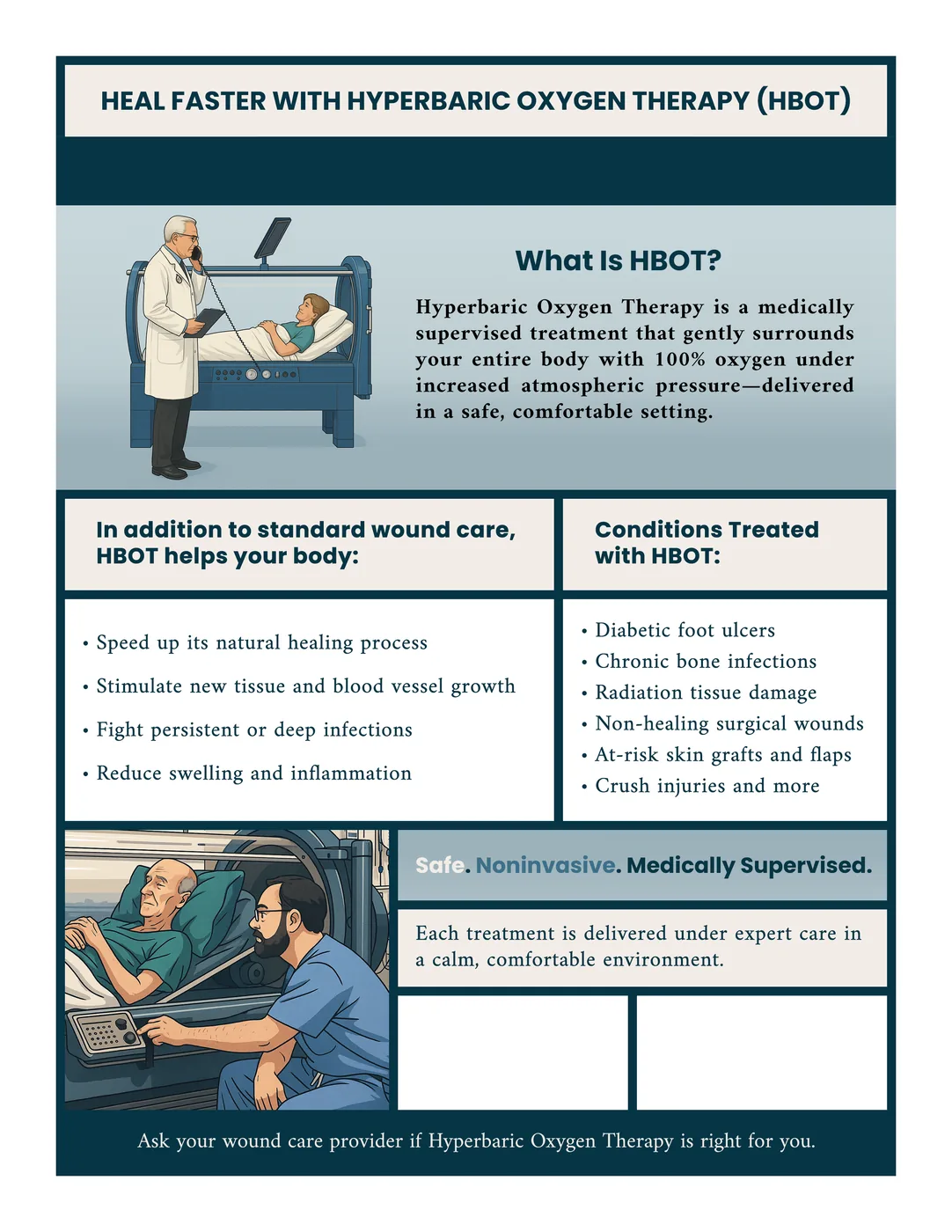
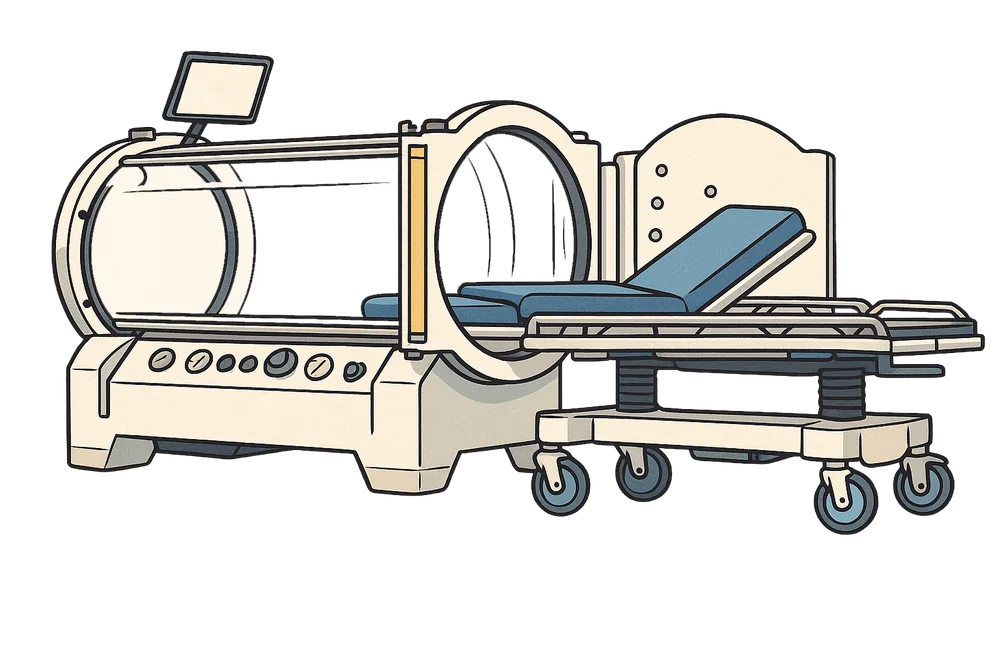
Treatment-room flyer · co-brandable templateLook at the two empty white boxes in the lower right. That’s not an unfinished layout — that’s where the facility’s own logo and phone number go. The flyer ships complete and anonymous, so one design serves a network instead of one hospital. Both chamber illustrations are original, and the monoplace unit is the same drawing that appears in the component library below — the layouts are assembled from a library, not drawn one at a time.Component library · reusable assetThe same chamber, on its own. Drawn once, used everywhere — flyers, training decks, patient guides, partner briefings.
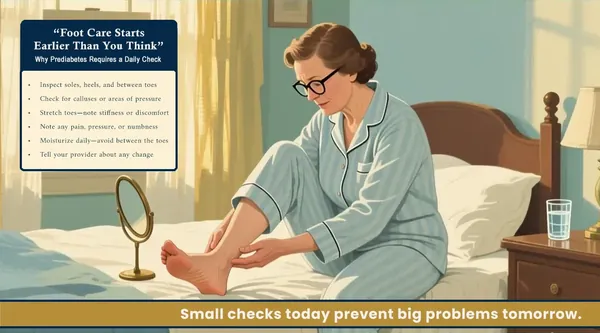
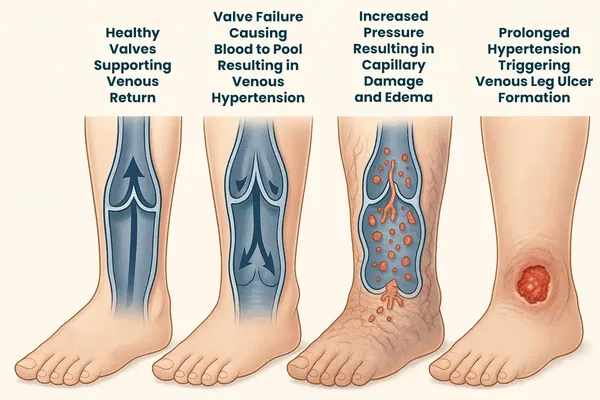
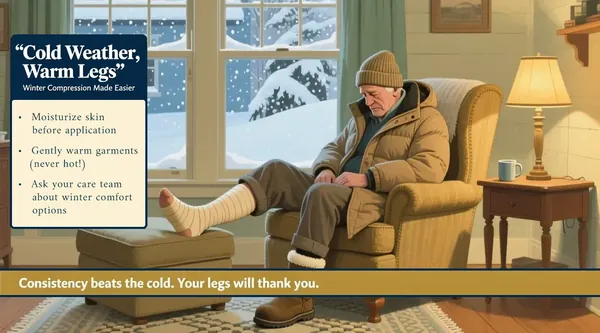
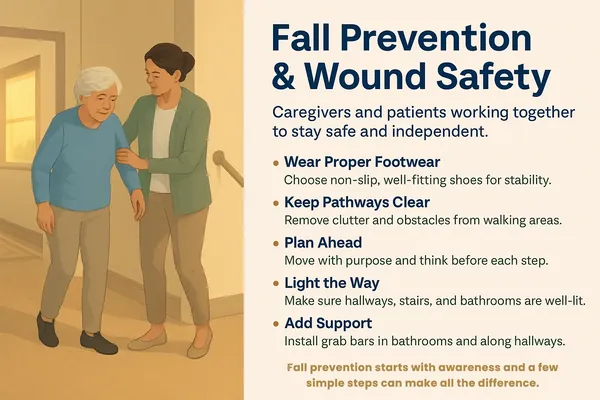
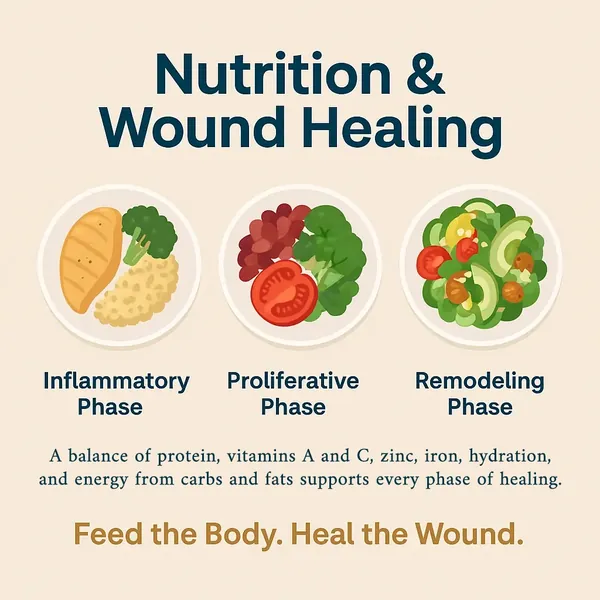
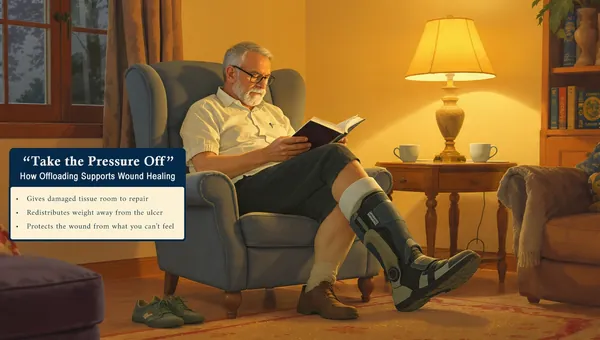
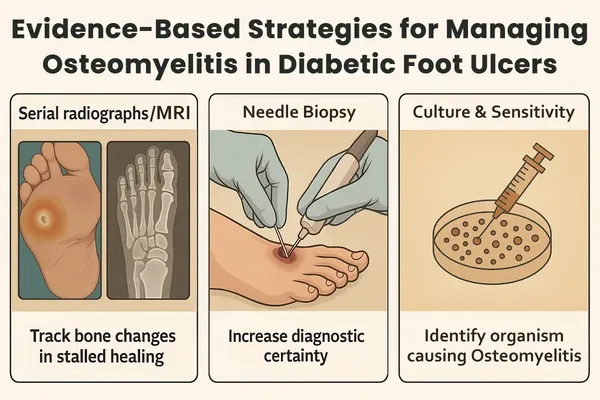
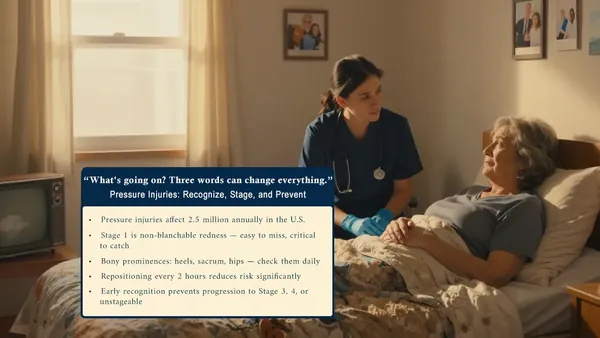
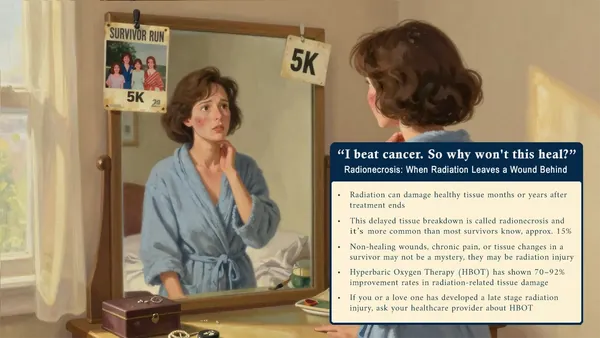
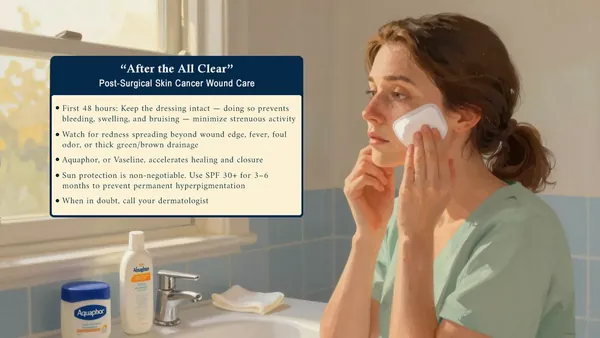
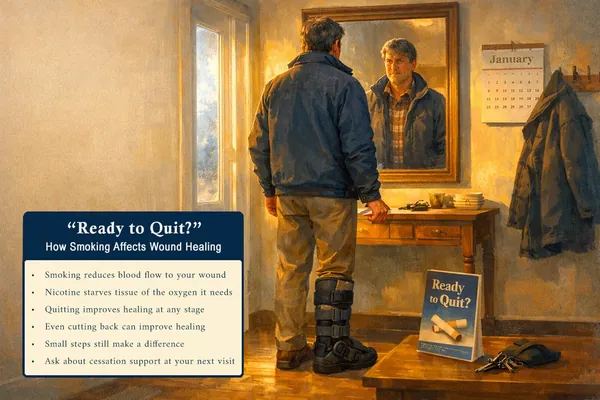
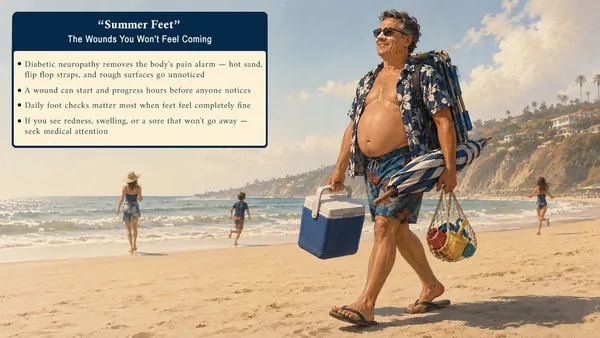
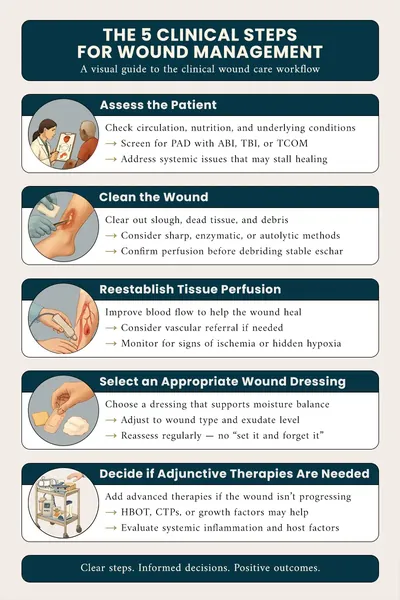
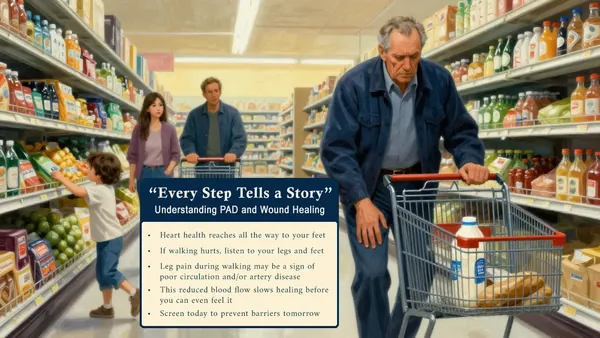
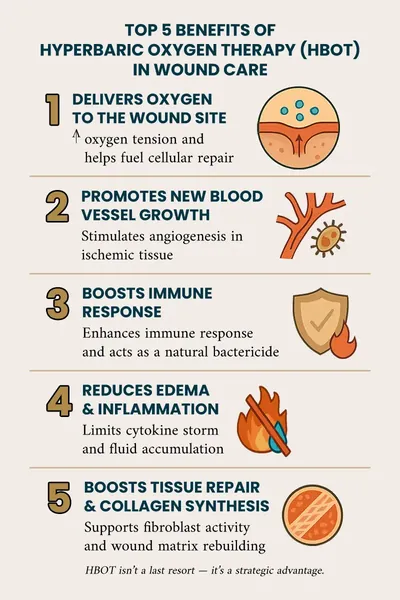
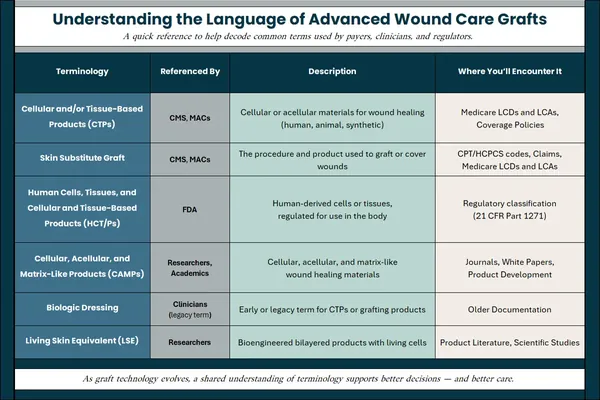
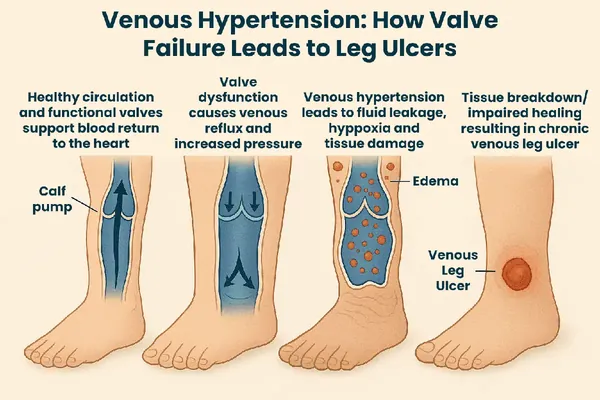
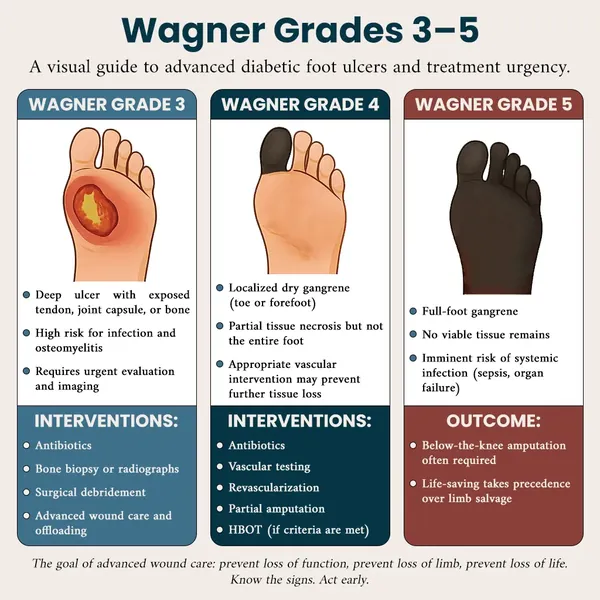
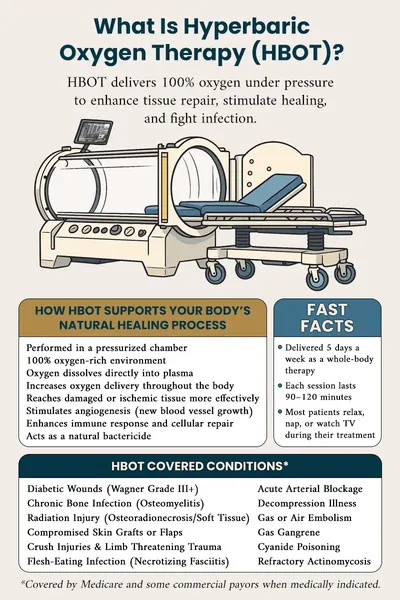
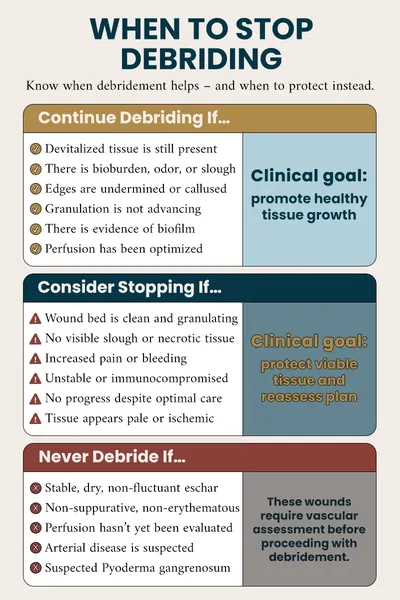
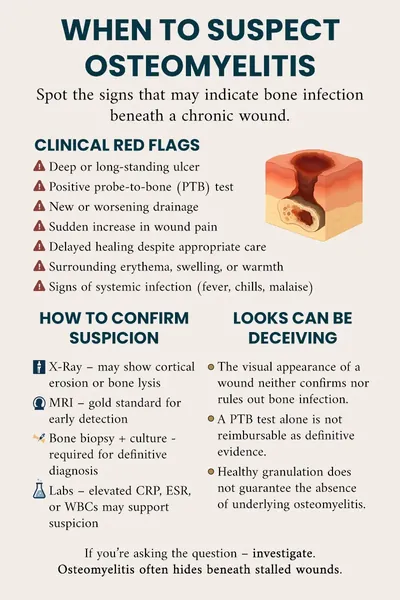
Before the Wound - Early Foot Assessment for Diabetes and PrediabetesChronic Venous Insufficiency and Venous HypertensionCold Weather, Warm Legs: Winter Compression ComplianceFall Prevention and Wound RiskNutrition and Wound HealingOffloading - Why It MattersOsteomyelitis in Diabetic Foot UlcersPressure Injuries - Recognize, Stage, and PreventRadionecrosis and HBOT - When Radiation Leaves a Wound BehindSkin Cancer Awareness Month - After the All Clear – Post-Surgical Wound CareSmoking Cessation and Wound HealingSummer Feet - The Wounds You Wont Feel ComingThe 5 Clinical Steps for Wound ManagementThe Inflammation–Pain LoopThe Vascular Connection - PAD, Heart Health, and Wound HealingTop 5 Benefits of HBOT in Wound CareUnderstanding the Language of Advanced Wound Care GraftsVenous Hypertension and Valve FailureWagner Grades 3–5What is HBOTWhen to Refer to a Wound CenterWhen to Stop DebridingWhen to Suspect Osteomyelitis
WOUNDWISE — twenty-three units. Each one pairs original branded artwork with a complete content kit: suggested article topics, ready-to-post captions, conversation starters, platform-specific hashtag sets, and a quick-start guide written for clinic staff with no marketing background. Deliberately de-branded, for the same reason as the flyer above.
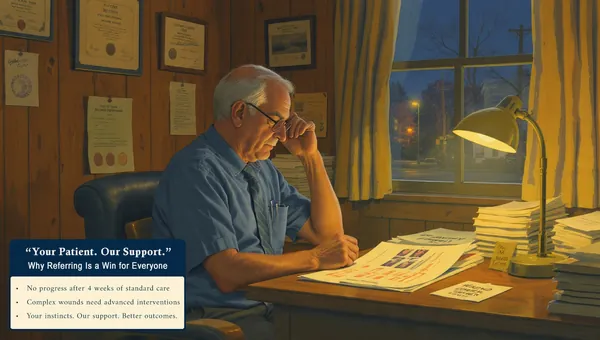
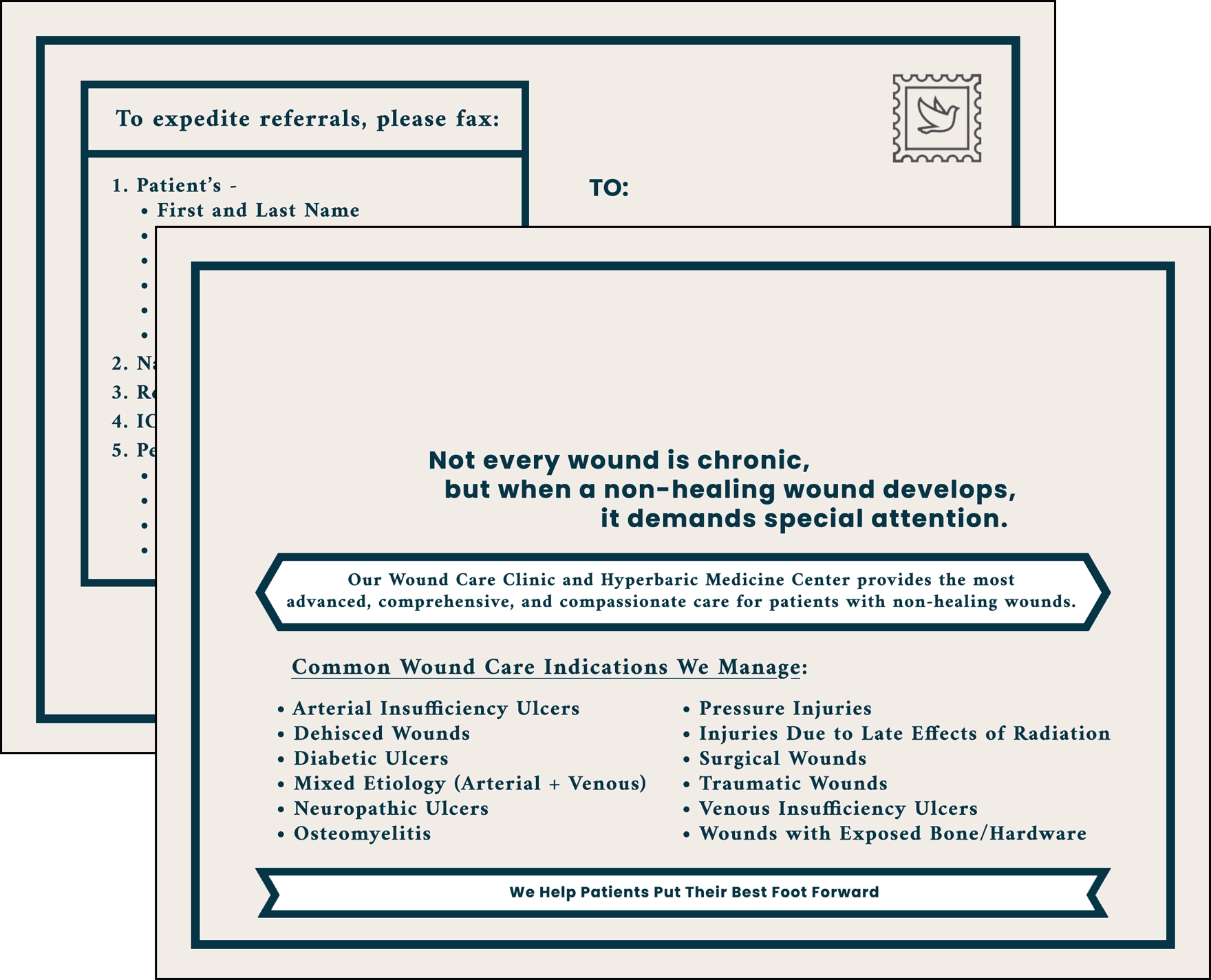
Referral mailer · both sides · unbrandedA mailer that names no hospital. The front makes the case for referring a non-healing wound; the back is the fax form that does it — patient, referring physician, ICD-10, discharge summary, and blank To and From blocks. The facility fills in the rest.
Voice
Character, layout and copy, one hand.Doc Davis was drawn up before the posts that use him, pitched to the corporate team, and turned down; he kept working anyway in the channels I ran. Rendering is generated and edited — the direction, the character and every word are mine.
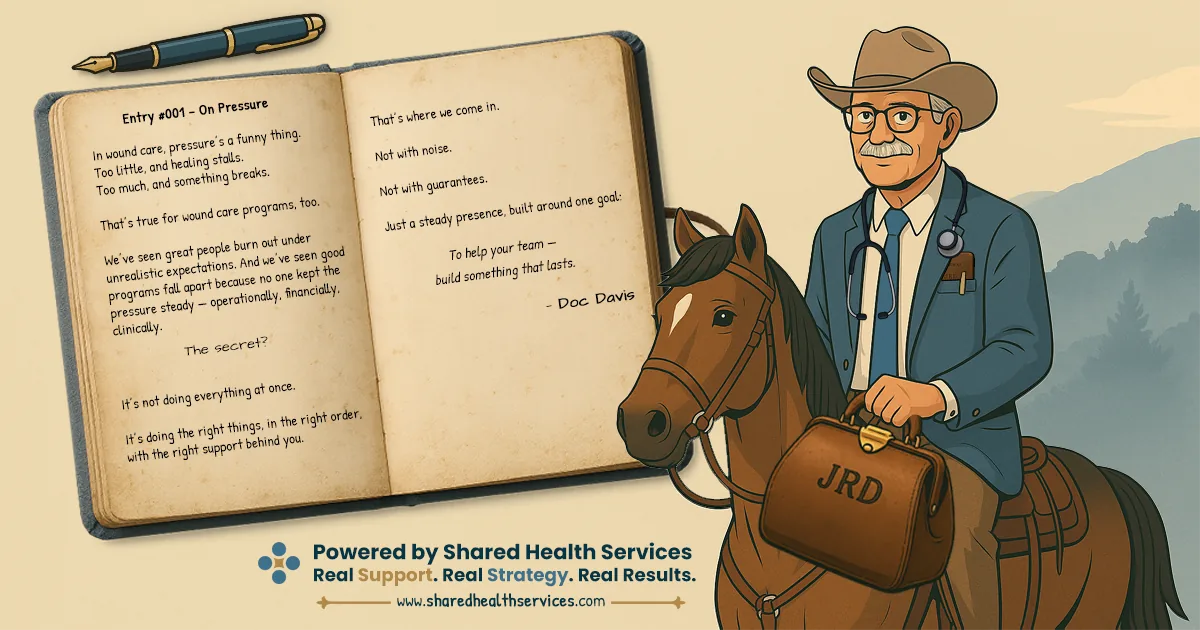
Field Notes · entry 001 · “On Pressure”A recurring column with a character, a landscape and a voice. The essay runs as a handwritten journal spread; the ridgeline is Appalachian on purpose; the bag is monogrammed. “Too little, and healing stalls. Too much, and something breaks.” — a clinical fact used as the hinge of an argument about running a program.
Chart Sleuth hyperbaric indication screening
Denial Defender wound-care documentation audit
Two training games, one engine, sixty scenario cases. Same idea wearing two costumes — one for each service line — because a hyperbaric screening decision and a documentation audit are the same skill in different clothes. Every case was reviewed by a credentialed subject-matter expert before release. Self-contained and dependency-free: no server, no build step.
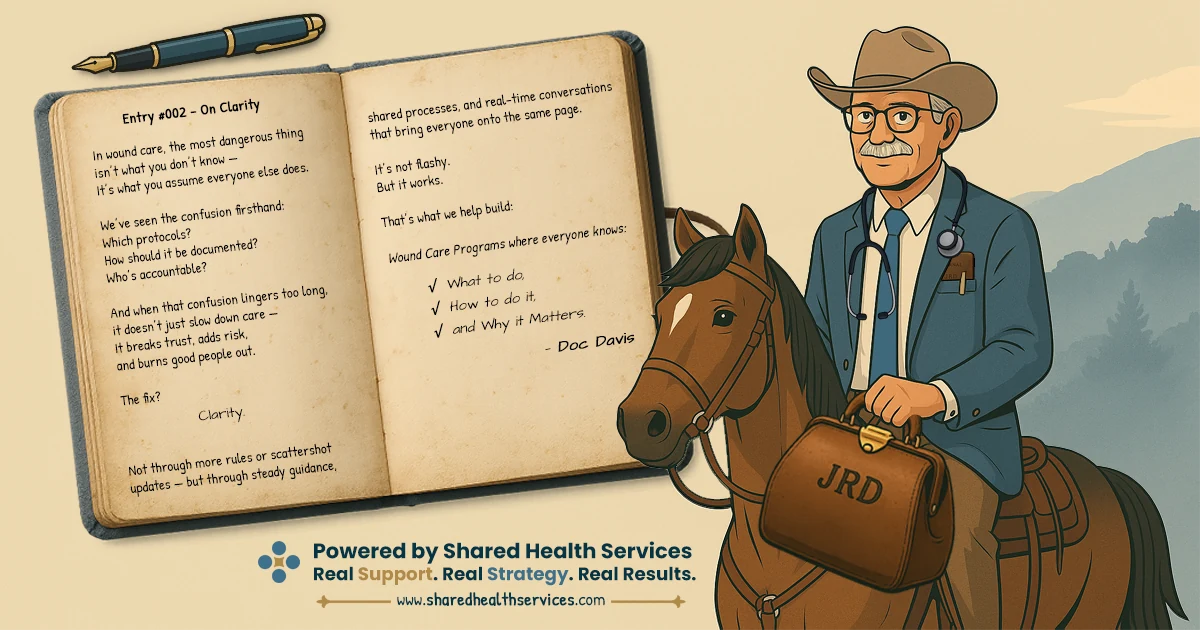
Field Notes · entry 002 · “On Clarity”The second entry, which is what makes it a column. Same character, same ridgeline, same handwritten spread — a format only proves itself on the second instance.
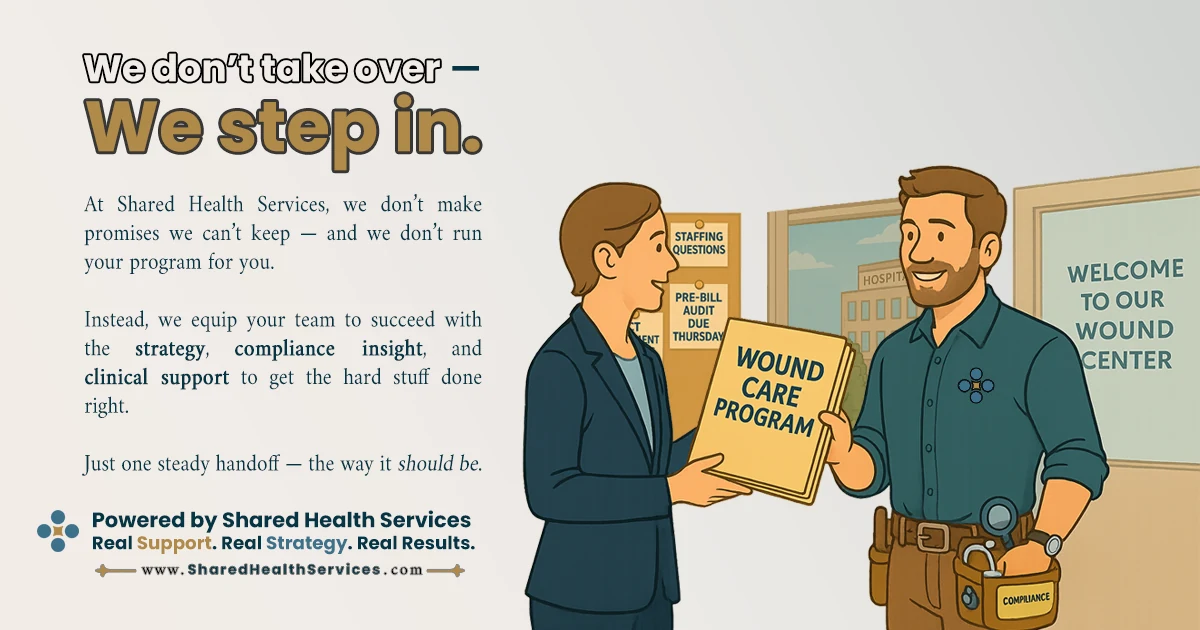
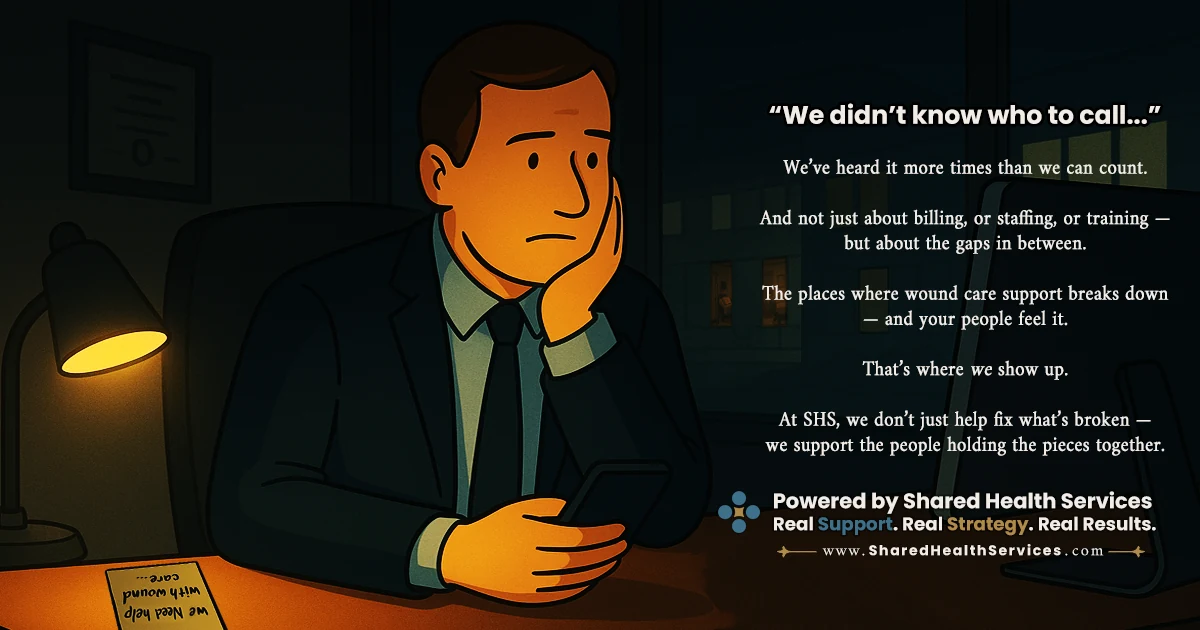
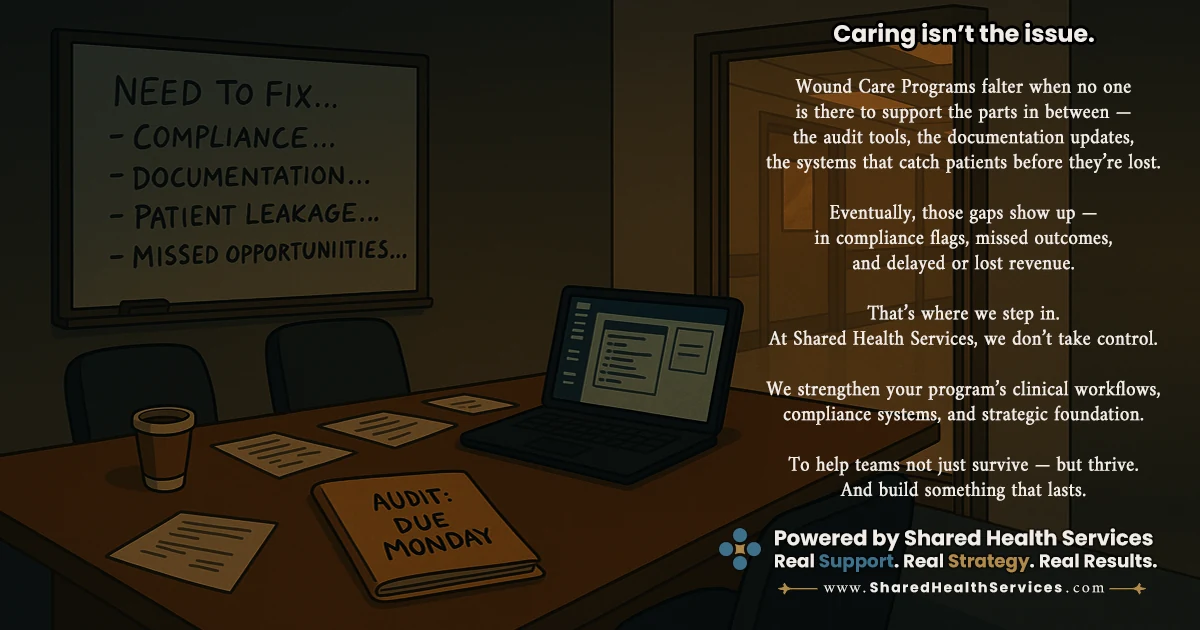
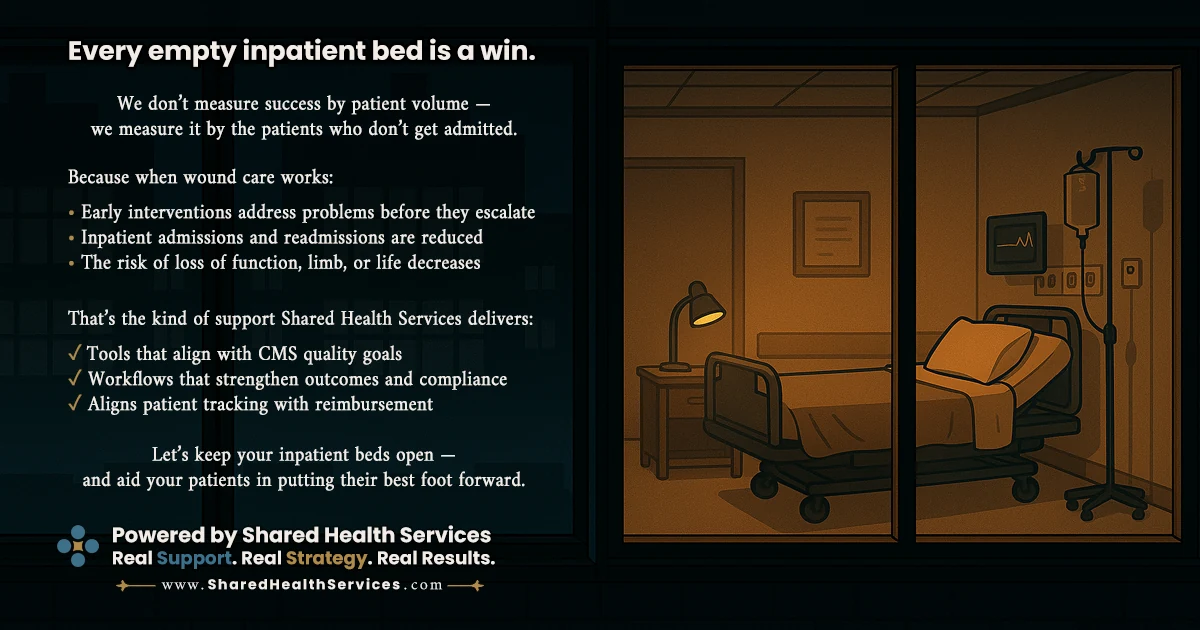
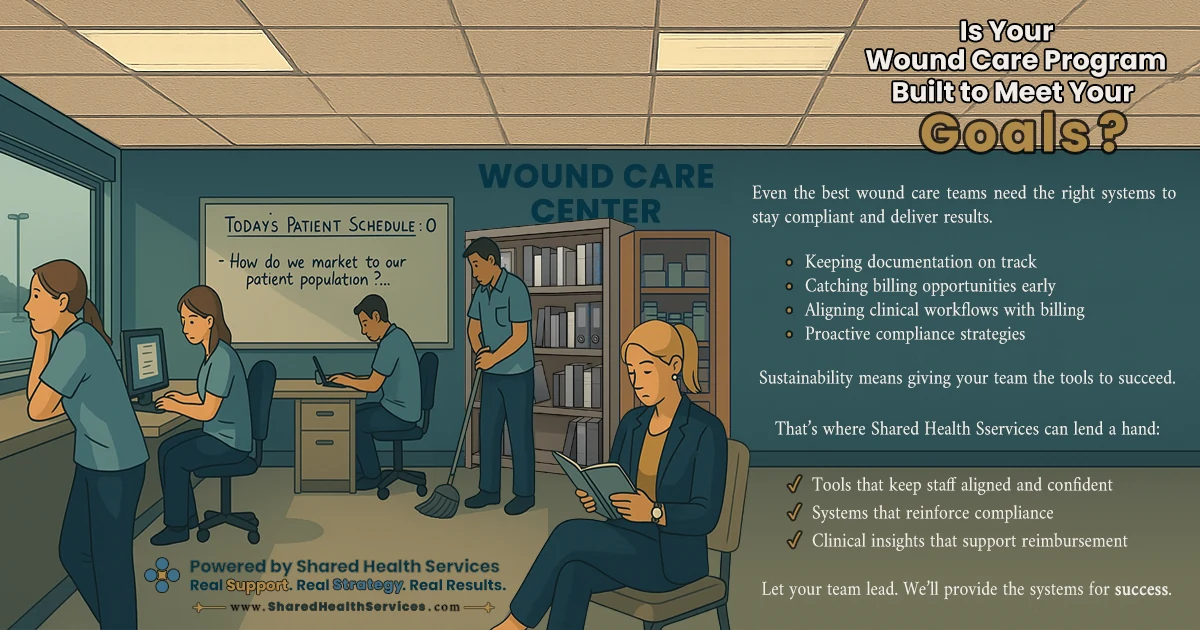
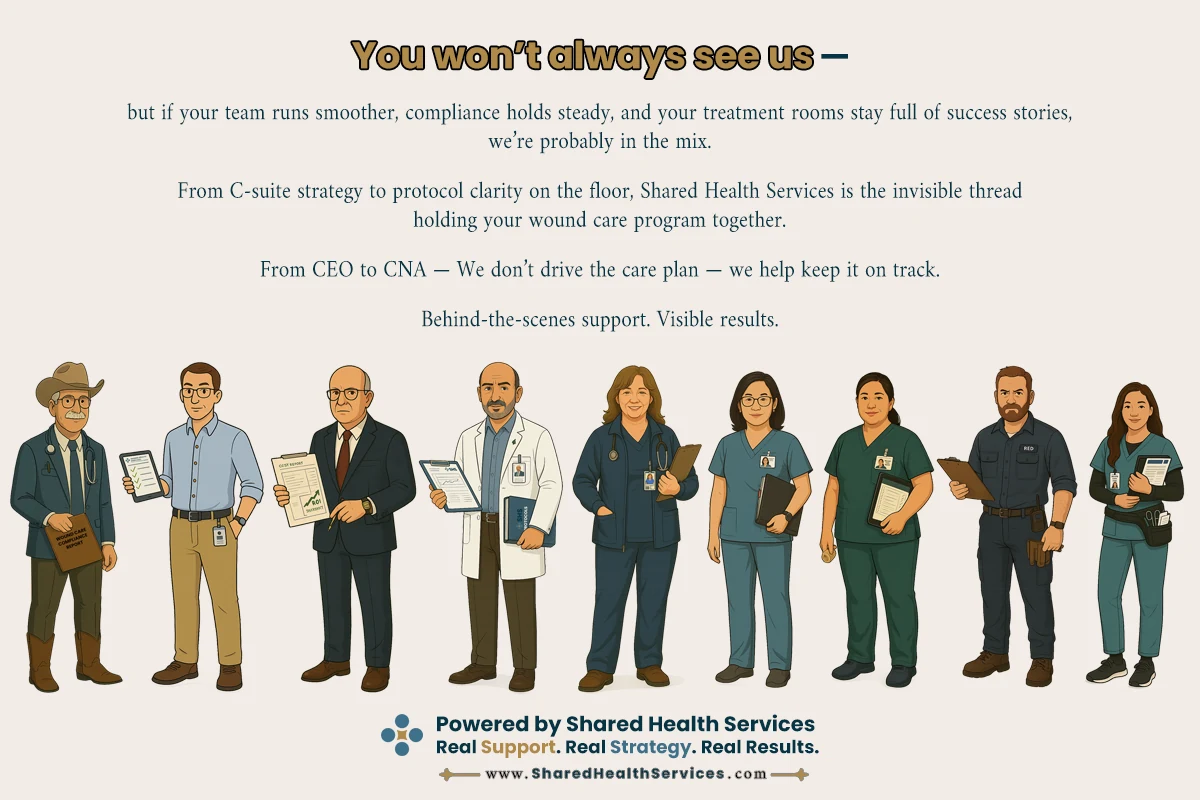
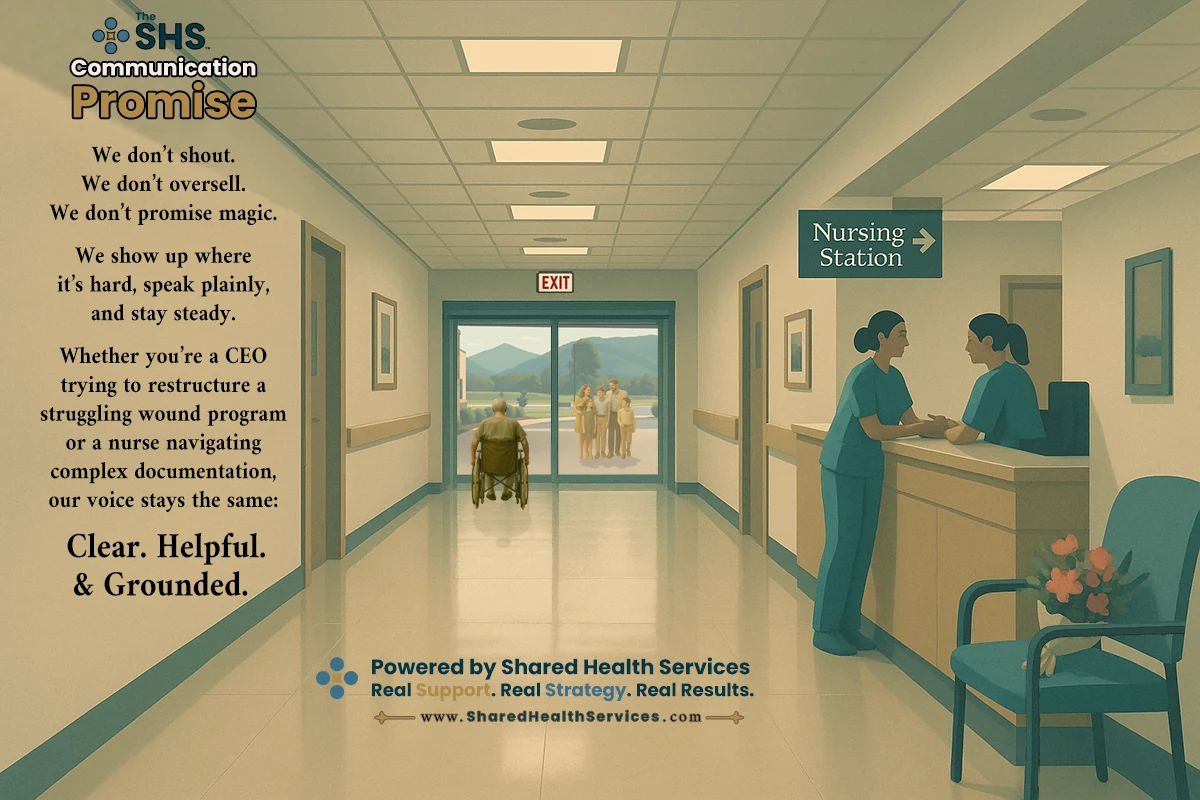
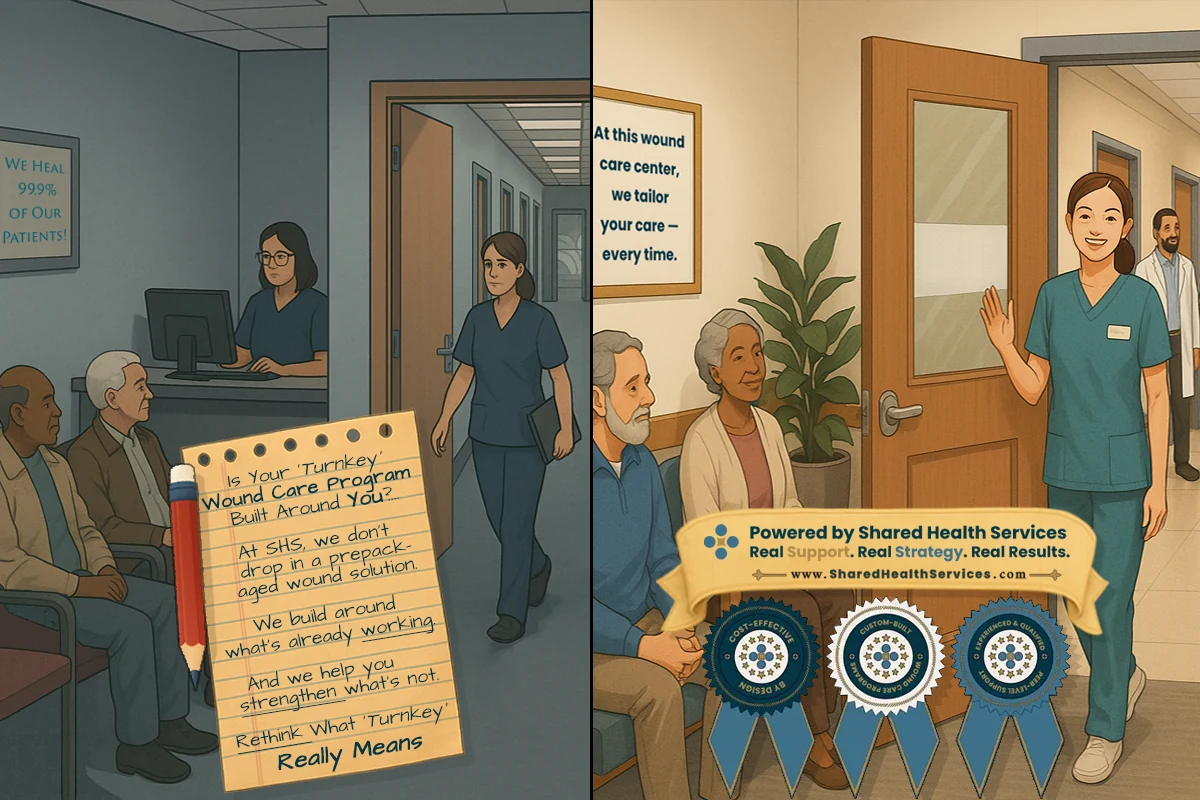
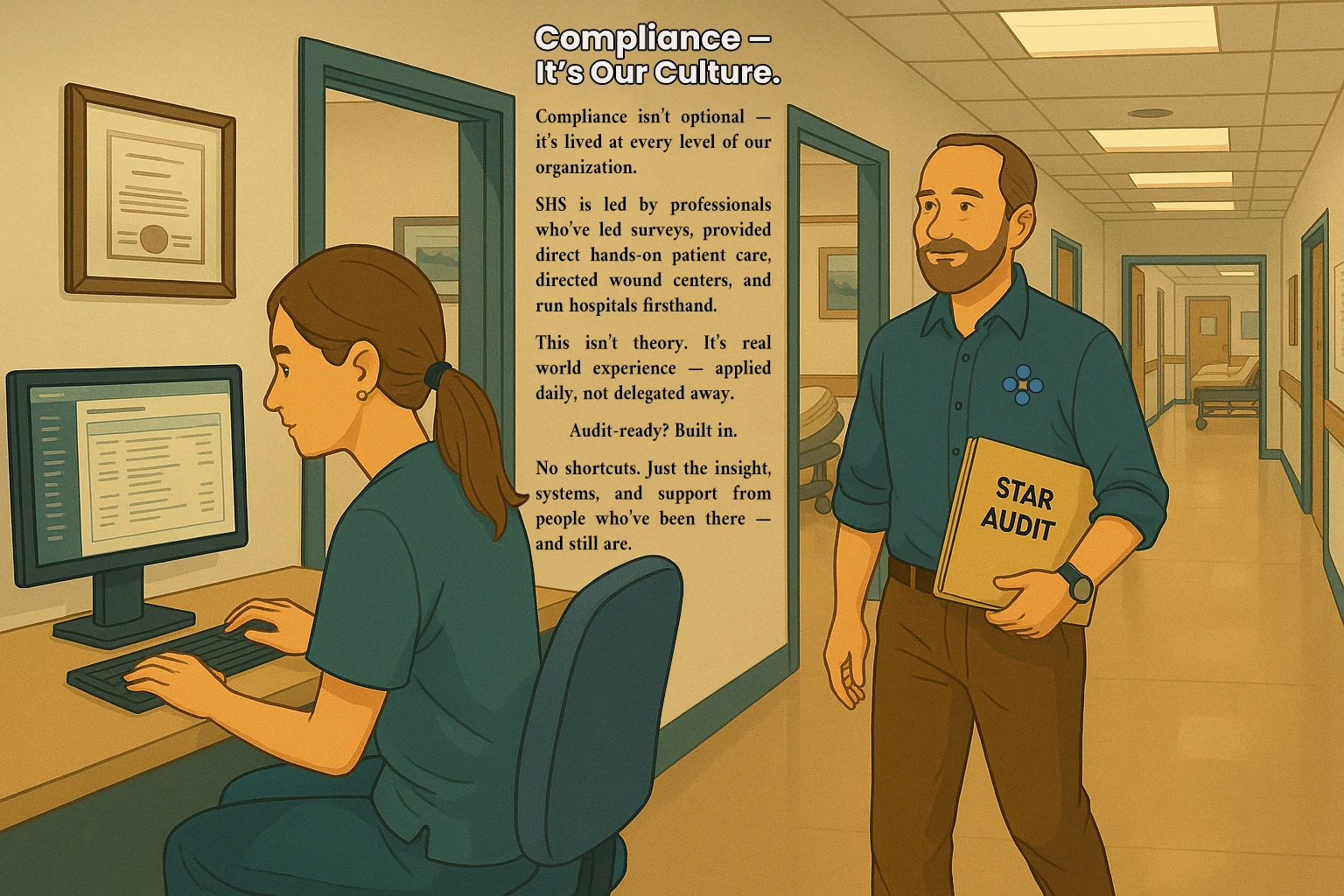
“We don’t take over — we step in.”“We didn’t know who to call…”Caring isn’t the issueEvery empty inpatient bed is a winIs your wound care program built to meet your goals?“You won’t always see us”The SHS Communication Promise“Is your turnkey wound care program built around you?”Compliance — it’s our culture
Nine posts, one voice. Each one answers a different objection — who do I call, what is actually broken, will this replace my team, does the compliance hold.
Recruitment and Outreach
The company speaking as itself rather than under a partner’s name — one piece selling the service line to hospitals that have never heard of it, four recruiting students into it. Different job, different register: the first has to survive a fax machine, the others had to work as large-format boards in a room full of them.
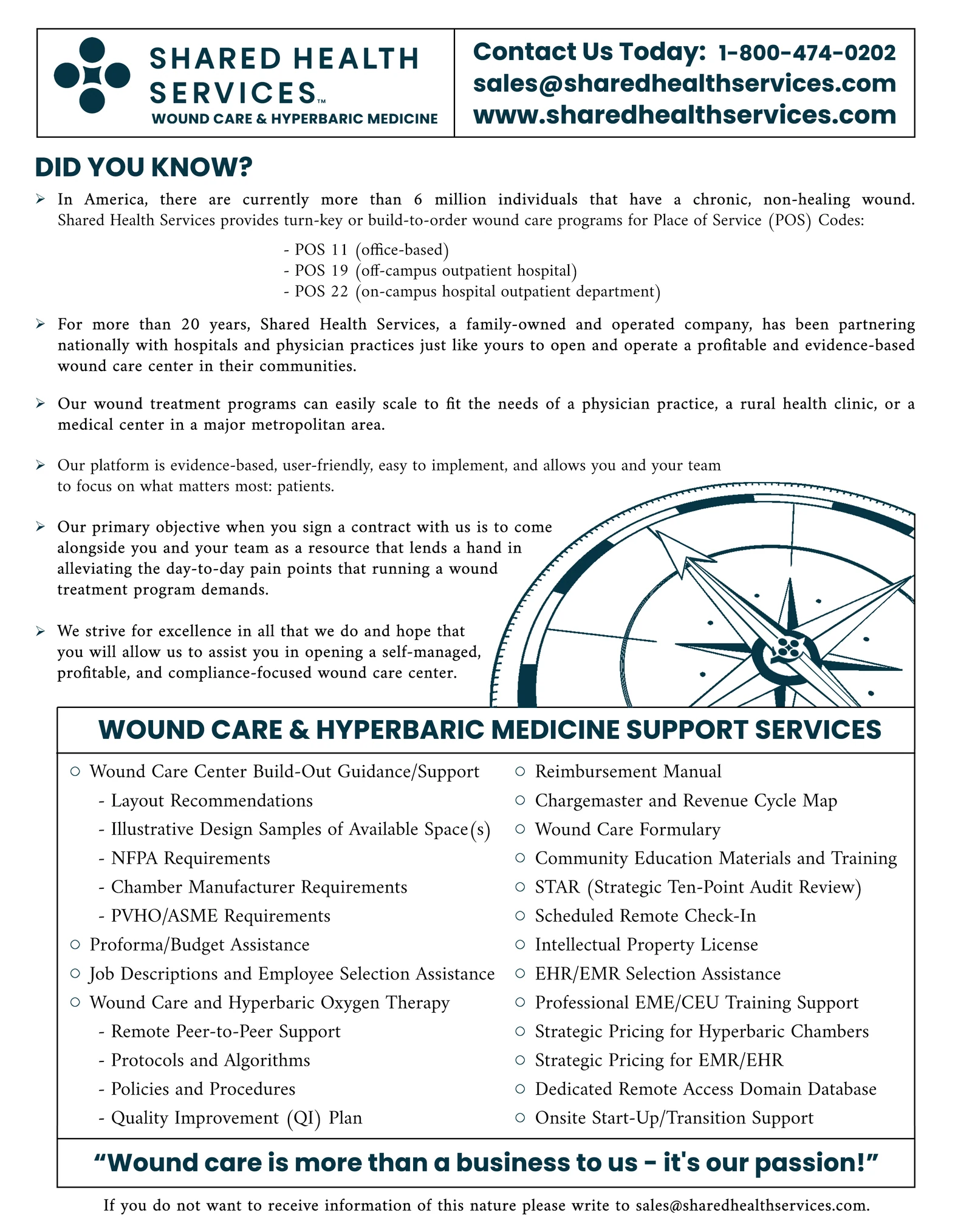
Cold outreach · single-page faxDesigned for the worst reproduction in the building. Every service the company sells, in two columns, built to stay legible through a fax machine and a photocopier — which is why it is line art and type and almost nothing else.
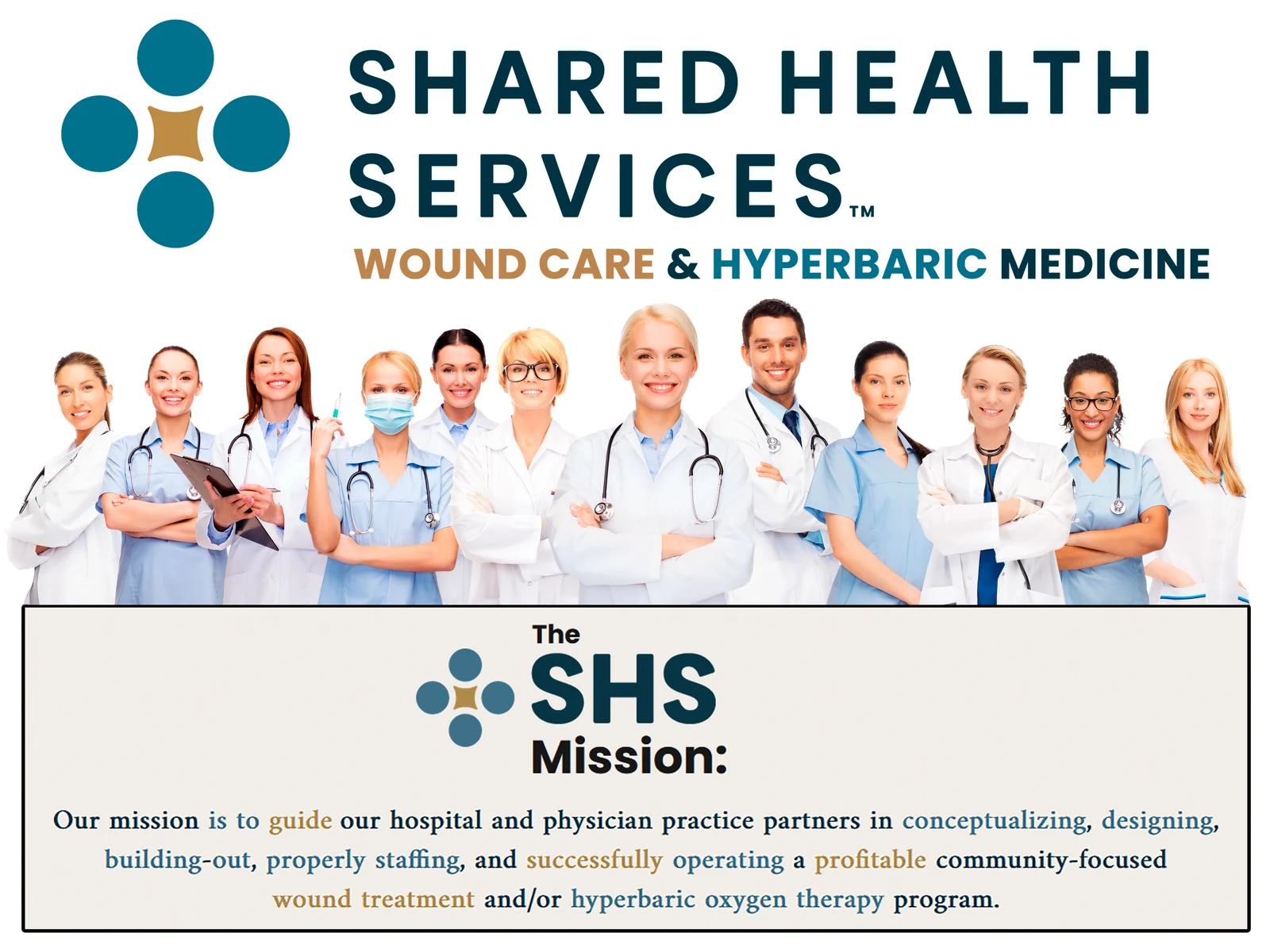
Internship program · title boardThe board that holds the room. Logo, the team, and the mission statement that the other three boards hang off — sized for large-format print and read from across a hall.
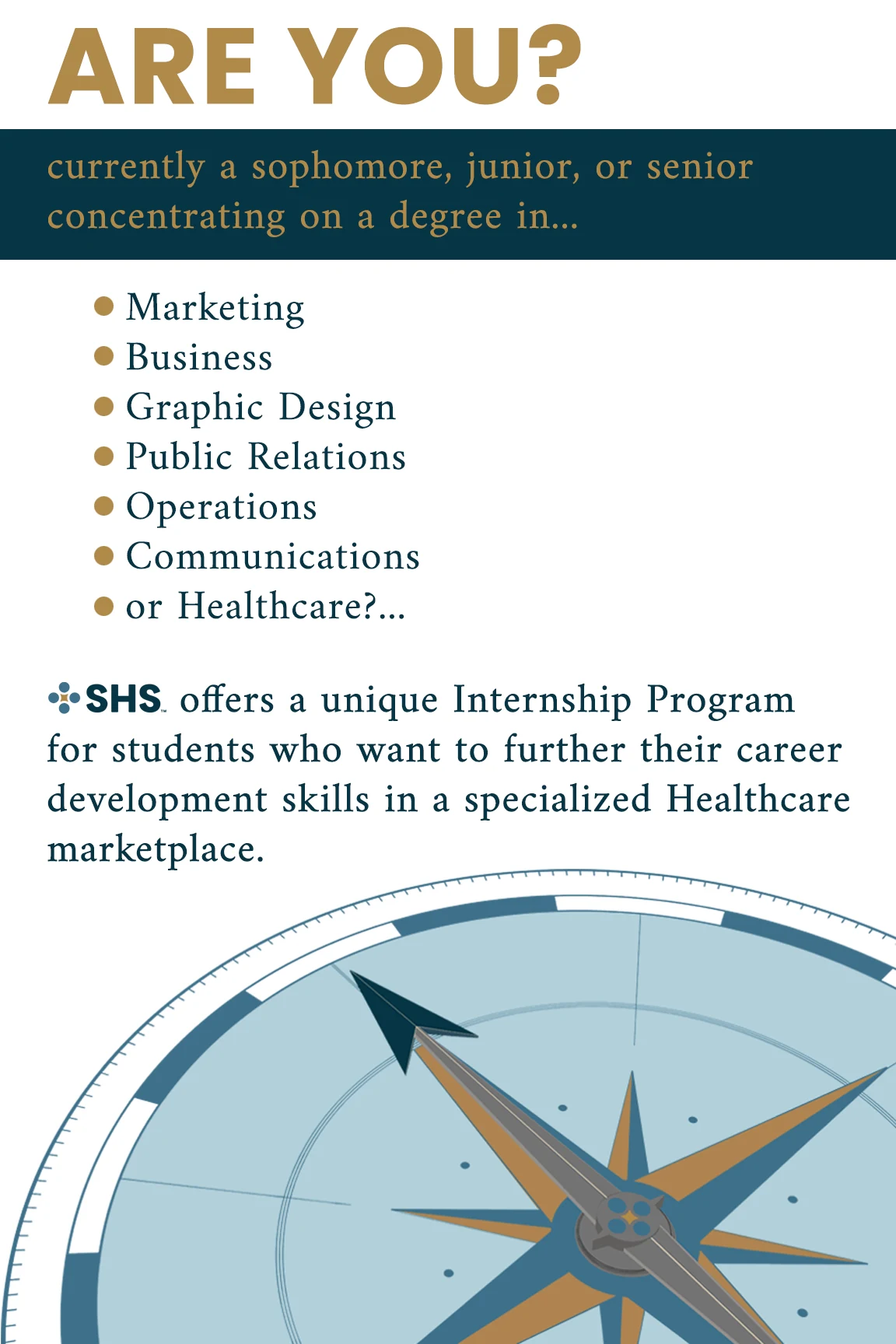
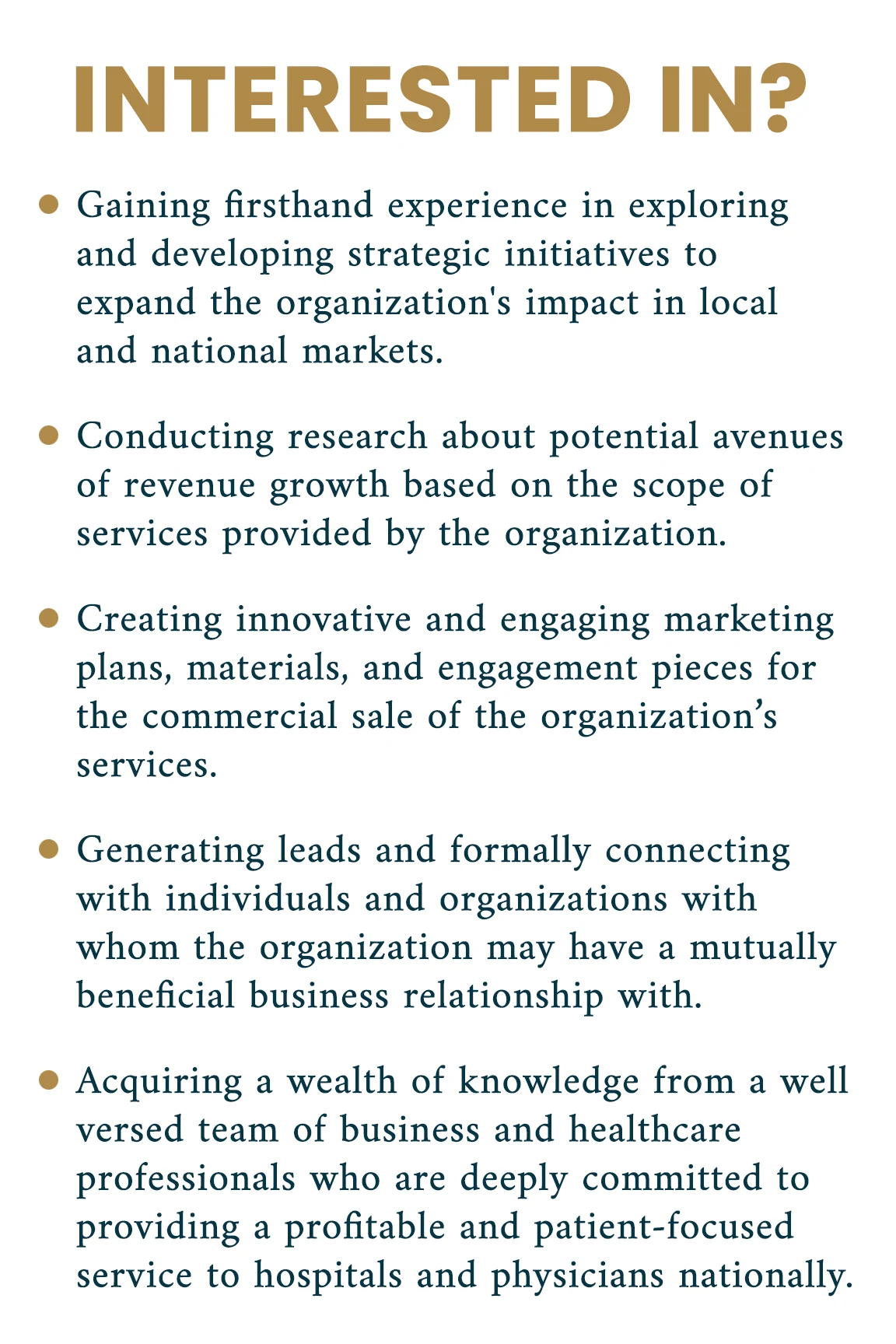
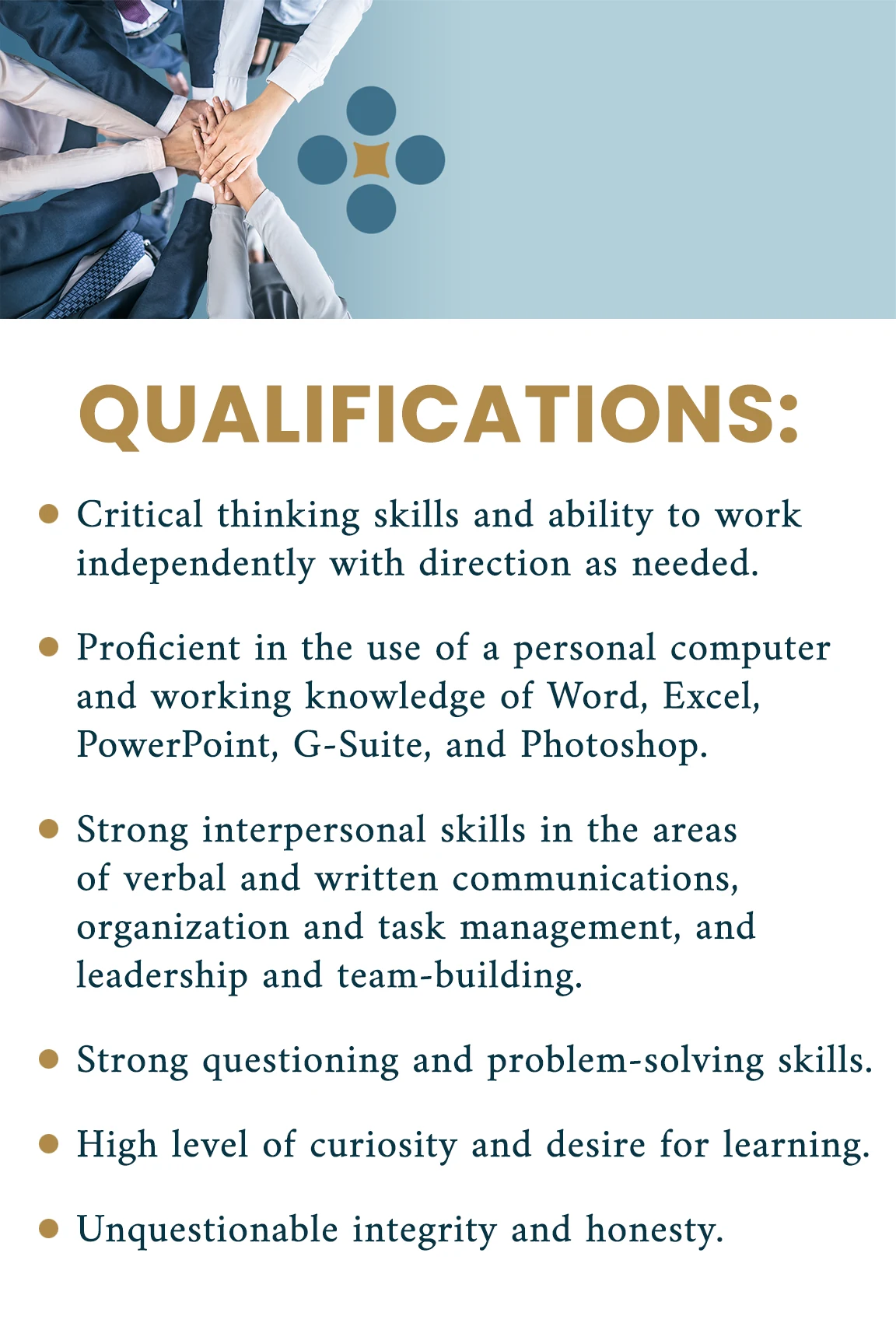
Are you?Interested in?Qualifications
Three panels under the title board — the ask, the offer, and the bar. October 2023.
The Network
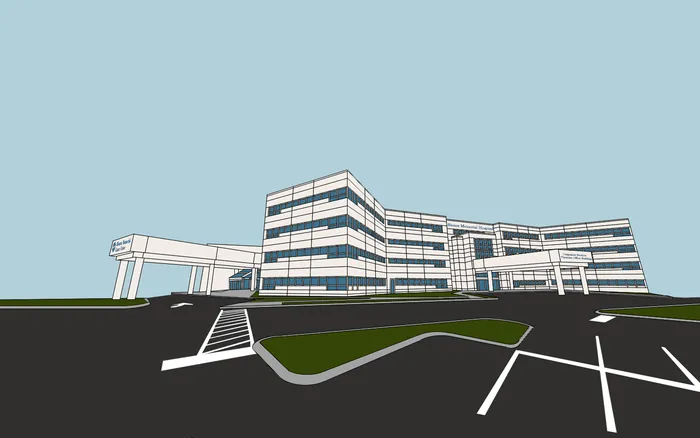
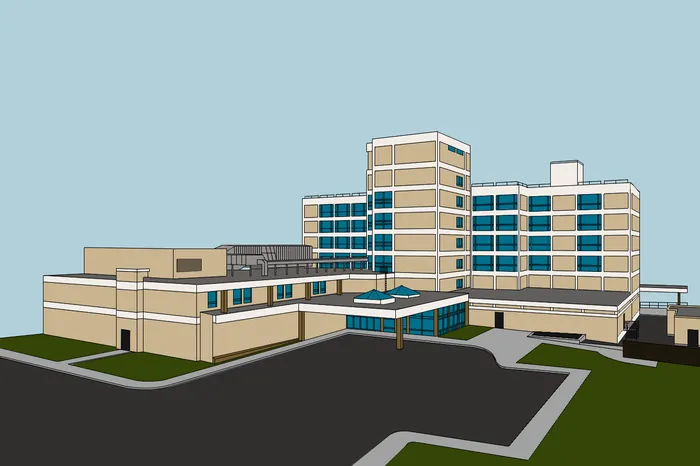
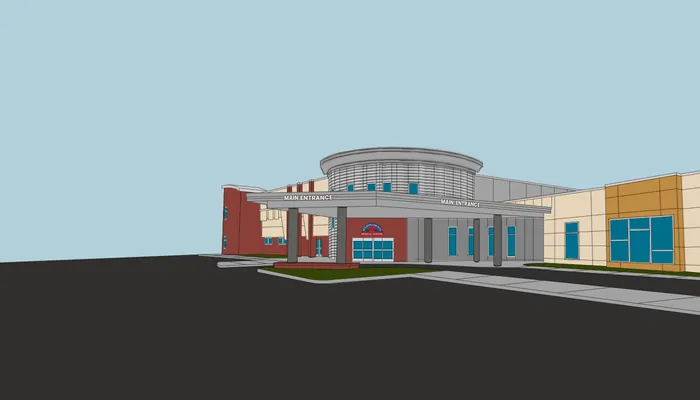
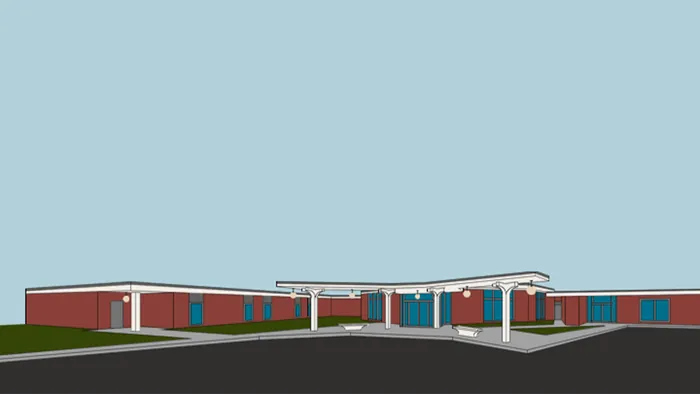
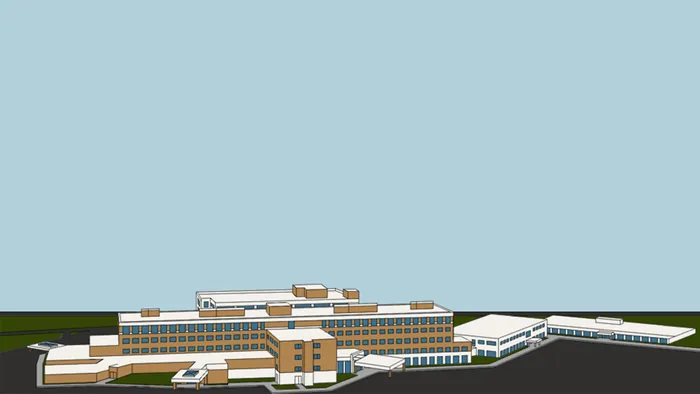
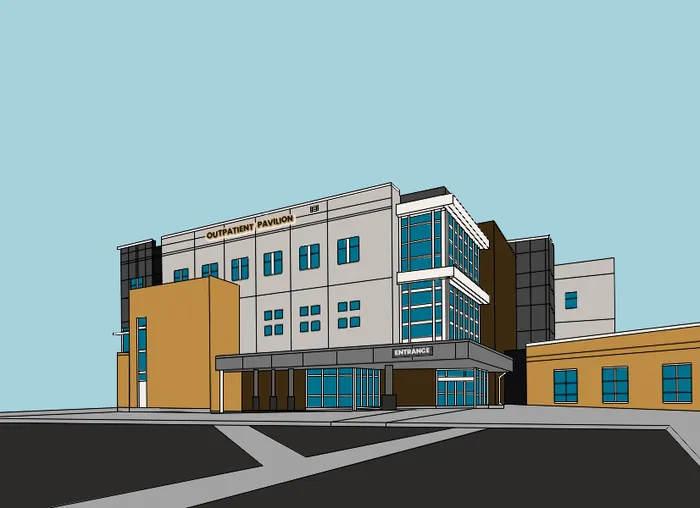
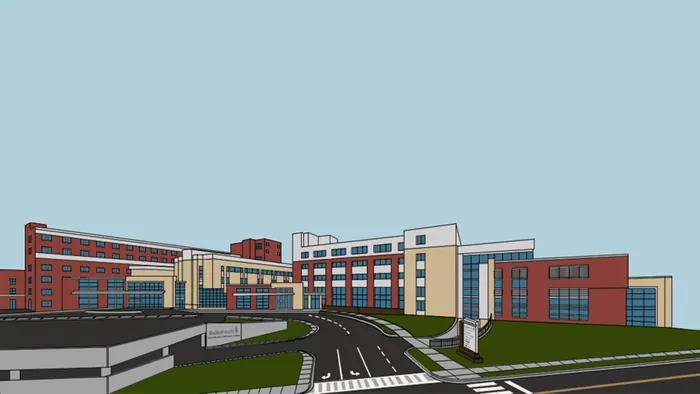
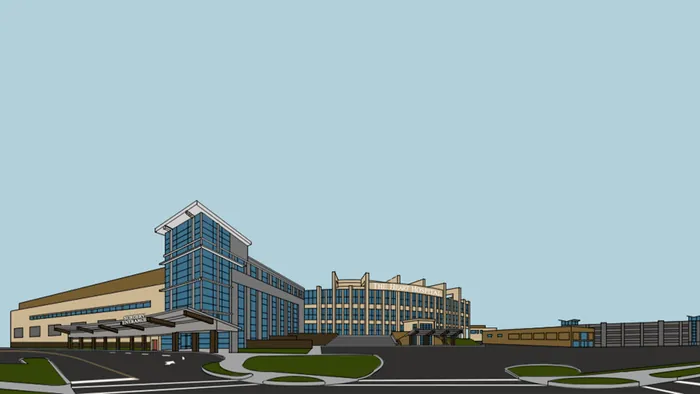
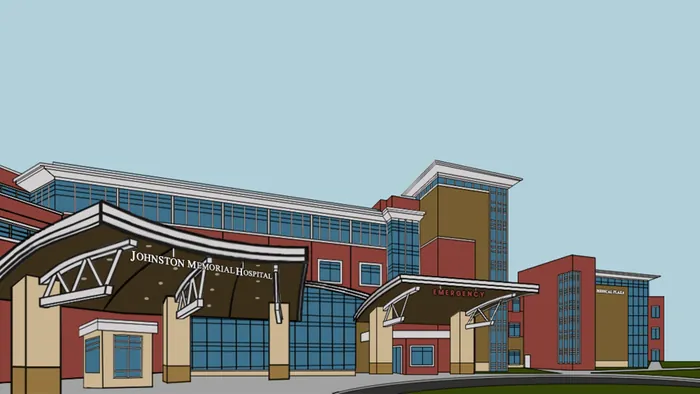
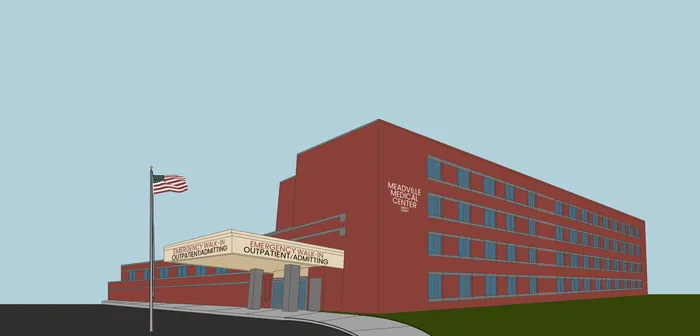
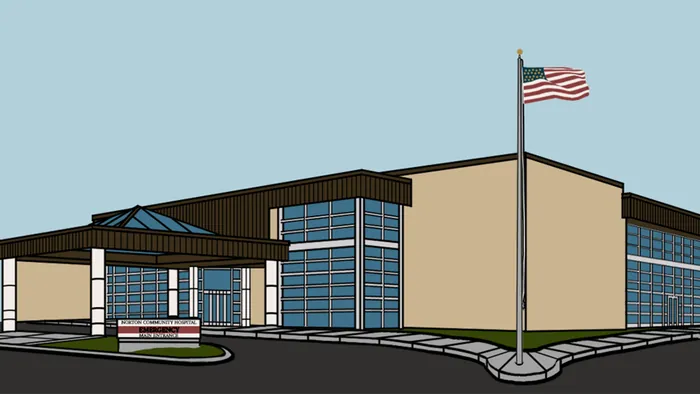
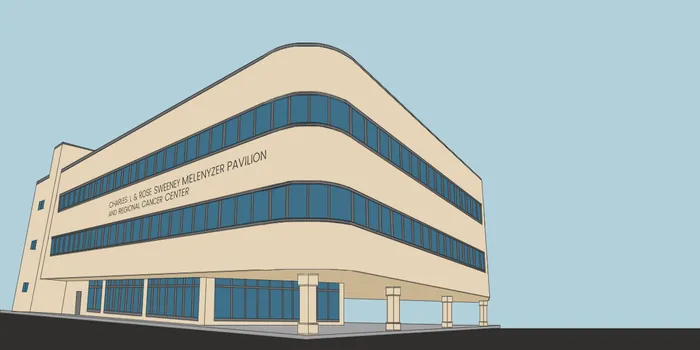
Architectural illustrations of partner facilities, drawn for proposals, planning documents and partner materials across a seven-state footprint.
Blount Memorial HospitalColorado Acute HospitalFulton County Medical CenterGoodland Regional Medical CenterGreeneville Community Hospital EastHeart of the RockiesHolston Valley Medical CenterJohnson City Medical CenterJohnston Memorial HospitalMeadville Medical CenterNorton Community HospitalPenn Highlands Mon Valley Hospital
Twelve facilities. Each one drawn from the real building — the thread that runs back to Draftsman, 2009, laying out wound care and hyperbaric centers for contracted hospitals.
Before All of It
The design work didn’t start at a hospital. It started with a technical module in sixth grade, around 1998, and never stopped — straight through the battery plant, the organ shop and the heat-treat lab.
A large part of it was built for the web, by hand, between 2011 and 2020 — a band’s recording studio drawn as a clickable room, a Myst-style personal world, a furniture business, and a novelist’s catalog kept current a book at a time. Five sites, screenshotted from the original files →